
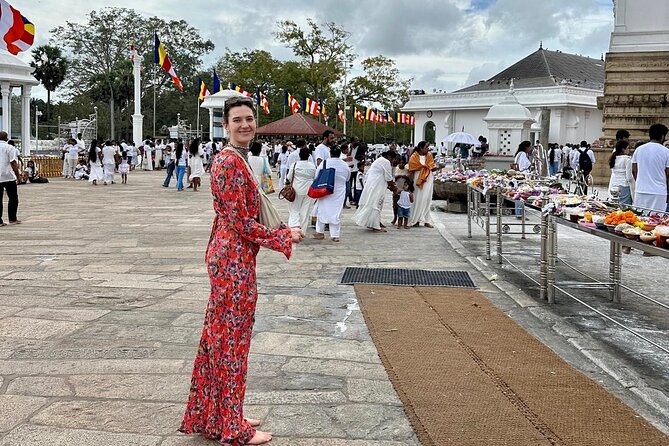
REVIEW · ANURADHAPURA TOURS
Delve Into Ancient Anuradhapura with Optional Visit to Mihintale
Anuradhapura rewards the early start. This private guided day is a smart way to see the big Buddhist landmarks and the less obvious ruins without guessing. I especially love how Lucky turns stones, stupas, and sacred trees into clear stories, and I like the tight route that helps you not miss the main monuments in one half day.
What makes it work is the back-and-forth feel of a private tour. You can ask as many questions as you like, and the guide can steer you from one site to the next with context, not just directions. Another plus: you get bottled water and King Coconut to keep you steady while you walk.
The main thing to watch is cost creep. The tour price is $30 per person, but UNESCO World Heritage site admission is listed as $30 per person and is not included. Also, a few later stops list admissions as not included, so you may need extra tickets depending on what you want to enter.
In This Review
- Key things to know before you go
- Morning Pickup and a Compact 6-Hour Rhythm in Anuradhapura
- Price Reality Check: $30 Tour, Plus $30 UNESCO World Heritage Admission
- How a Private Guide Makes Anuradhapura Click (Lucky Lanka Expedition)
- Vessagiriya Forest Monastery: Start With Monastic Life That Feels Alive
- Sakwala Chakraya (Star Gate): The Feature You Could Miss Alone
- Sri Maha Boodhi Temple and Lovamahapaya: Sacred Tree to Brazen Palace
- Ruwanwelisaya and Gedige Ruins: Stupas and the Alms System
- Twin Baths (Kuttam Pokuna) and Janthagara: Water Engineering With a Purpose
- Abayagiri Refectory, Rathna Prasadaya, and Guardstone: Small Art With Big Meaning
- Eth Pokuna Elephant Pond and Sandakada Pahana Moonstone: The Ruins That Look Like Sculpture
- Optional Mihintale: How to Decide Without Losing the Anuradhapura Flow
- Who Should Book This Tour, and Who Might Prefer DIY
- Should You Book It?
- FAQ
- How long is the Anuradhapura guided tour?
- Where does the tour start and where does it end?
- Is this tour private or shared with other groups?
- What is included, and what is not included?
- What time does the tour run?
- What if weather is bad or you need to cancel?
Key things to know before you go
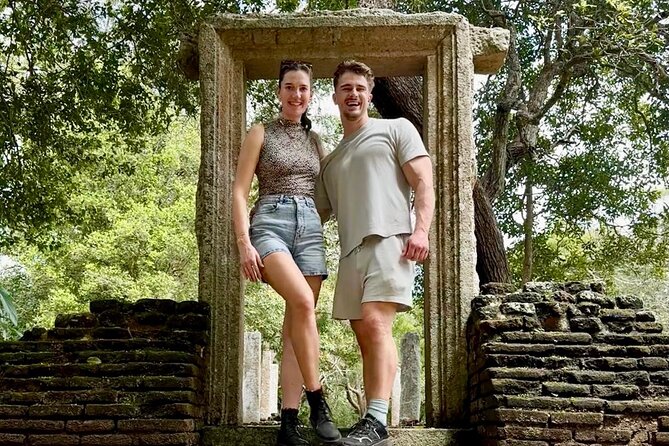
- Private guide, private pace: only your group, with time for questions.
- A compact 6-hour circuit: major Anuradhapura sites without a long, aimless day.
- UNESCO entry is extra: budget for the $30 World Heritage admission not included.
- Some stops include free entries, some do not: later structures may require separate admissions.
- You start at Pothanagama Junction: then the tour returns you to the same meeting point.
- Optional Mihintale may add time: confirm with your guide if it’s part of your booking.
Deeper into Anuradhapura
- Explore & Ride the history of anuradhapura with Vogel Tours
★ 5.0 · 62 reviews - Delve Into Ancient Anuradhapura with Optional Visit to Mihintale
★ 5.0 · 42 reviews - Anuradhapura Private Ancient City Day Tour
★ 5.0 · 39 reviews - Anuradhapura Heritage Mountain bike / bicycle Tour
★ 5.0 · 34 reviews
Morning Pickup and a Compact 6-Hour Rhythm in Anuradhapura
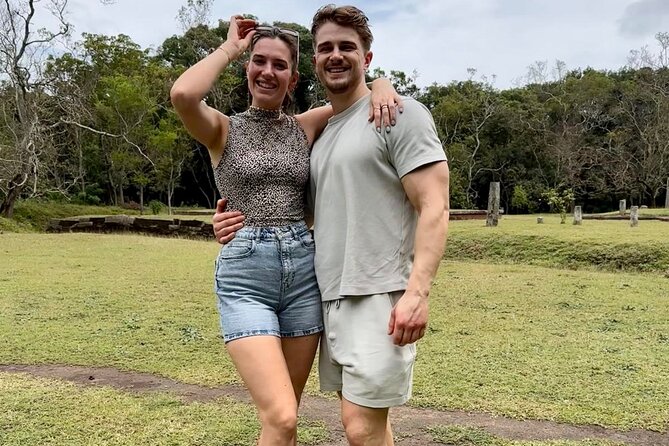
This is set up like a focused morning-and-early-afternoon plan. The activity window shows opening hours from 7:30 AM to 10:30 AM, and the tour runs for about 6 hours. That timing matters in Sri Lanka. Mornings are often cooler for walking ruins, and you can still keep daylight in your photos without feeling rushed.
The meeting point is Pothanagama Junction, and the tour ends back there. You will not need to figure out a complicated end point, which is a small but real stress reducer when you are juggling buses, tuk-tuks, or a driver.
Also, the experience is described as requiring good weather. If rain shows up, plan for the day to shift. I like tours that say this upfront, because ruins and slippery stone do not mix.
Because it is private, your group’s pace is your pace. If you want more time at the sacred areas to observe, you can slow down. If you are the type who wants photos, structure, and quick explanations, you can keep the day moving.
Price Reality Check: $30 Tour, Plus $30 UNESCO World Heritage Admission
Let’s talk money in a way that helps you decide fast. The tour summary lists a price of $30 per person. But the details also say entrance to UNESCO World Heritage Sites is $30 per person, and it is not included.
So you should expect at least two line items:
- the tour itself (guide and included items)
- the UNESCO admission fee you pay separately
On top of that, the stop-by-stop notes show that some entries are listed as free (like Vessagiriya, Star Gate, Sri Maha Bodhi Temple, Lovamahapaya, Ruwanwelisaya, and Gedige Ruins). Other stops are listed as admission not included (for example, Twin Baths, Janthagara steam bath building, Abayagiri Monastery refectory area, Rathna Prasadaya and Guardstone, Eth Pokuna, and the Moonstone area).
The value here is the guide and the way you get meaning from what you see. A UNESCO entry fee alone buys you access, but a good guide buys you understanding, and the reviews make that clear. Still, I would rather you arrive with a full budget than be surprised halfway through the day.
How a Private Guide Makes Anuradhapura Click (Lucky Lanka Expedition)
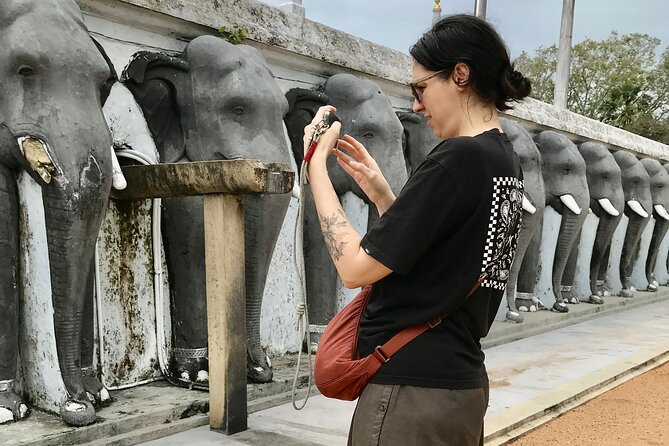
This is a private guided tour with a professional and licensed tour guide. That sounds formal, but what it means on the ground is simple: you get explanations when you need them, and you can ask follow-up questions on the spot.
The best-rated part of this experience is the guide’s approach. People highlight how detailed, thorough, and enthusiastic the explanations are. They also say the guide does not stay glued to the main tourist circuit, which is what you want for a place like Anuradhapura where the “important” sites are not always the easiest to spot.
In practical terms, this style helps you read the ruins. You learn why a stone feature matters, what a structure was for, and how sacred meaning fits with everyday monastic life. That is the difference between seeing a stupa as a shape and understanding it as a religious landmark built under specific rulers and eras.
One more real benefit of private touring: you can have a chat. If you are curious about Buddhism, archaeology, or just how ancient Sri Lankans engineered everyday systems, the guide’s interaction style makes it easier to talk, not just listen.
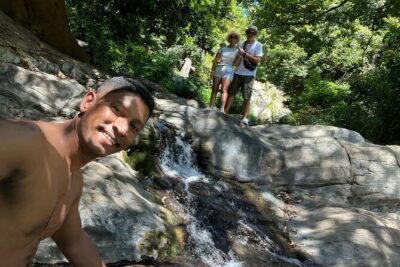

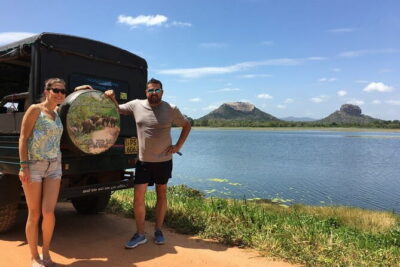
Vessagiriya Forest Monastery: Start With Monastic Life That Feels Alive
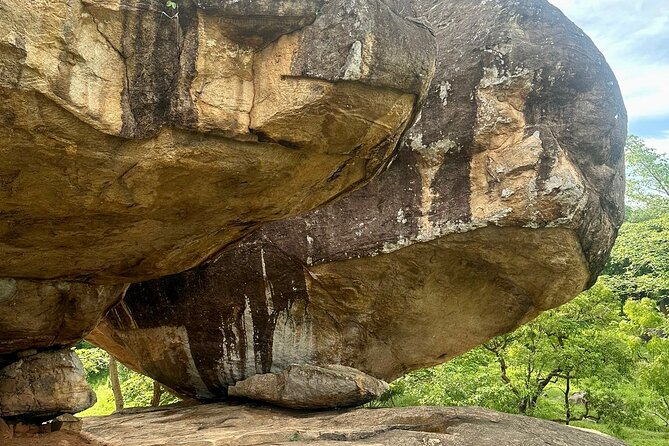
You begin at Vessagiriya Ruins, specifically the Vessagiriya Forest Monastery. The notes call it one of the two oldest Buddhist monks living dwellings on the island. Even without turning it into a museum stop, that detail gives you context right away.
You can expect a quieter start compared to some of the busier sacred spots. The setting is tied to monastic practice, so you will likely notice how the area’s arrangement supports religious life rather than just monument viewing. This is where I like to start on days like this, because it trains your brain to see the whole site as a living religious landscape, not only a list of buildings.
Admission for this stop is listed as free. That makes it a good first checkpoint. If you are already tired, you still get a meaningful start without extra costs.
Drawback to consider: the early part of the day sets the mood. If you prefer to start with big highlight stupas, this monastic opening might feel more subtle at first. Give it 20 minutes. After that, it usually makes the rest of Anuradhapura click.
Sakwala Chakraya (Star Gate): The Feature You Could Miss Alone
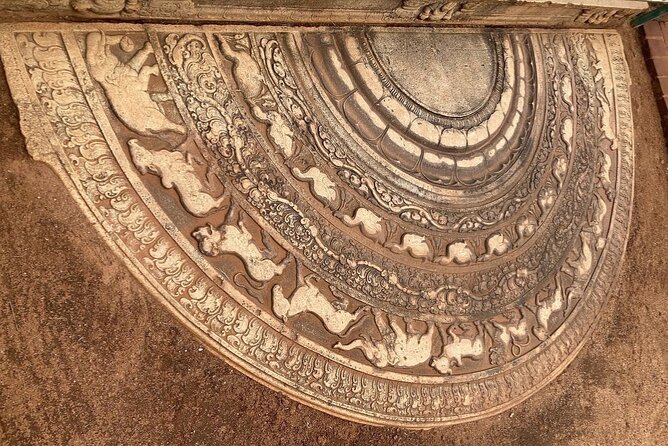
Next is Sakwala Chakraya, also called the Star Gate. The description says it is hidden on the side of a boulder face, located at the Ran Masu Uyana, with Tissa Wewa and the Isurumuniya Rock Temple nearby.
This is exactly the kind of site a guide can save you from. The feature is there, but it is not always obvious to spot unless you know where to look and what to look for. On your own, you might walk right past the clue and only realize later that you were close.
Admission is listed as free for this stop, so you are paying for the guidance rather than paying for entry. Expect about 35 minutes here, which is a comfortable amount of time to see the spot calmly without dragging the day.
If you enjoy small details, this is one of those stops where the explanation changes the experience. If you just want broad overview photos, you may feel it is small. Either way, it adds variety to a day that otherwise becomes heavy with large sacred structures.
Sri Maha Boodhi Temple and Lovamahapaya: Sacred Tree to Brazen Palace
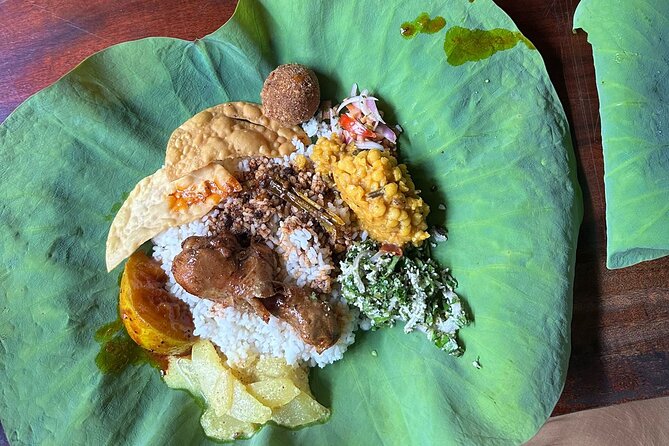
Stop three is Sri Maha Boodhi Temple, centered on the Sacred Bodhi Tree, described as a fig or pipal, scientifically listed as Ficus religiosa. The notes say it is regarded as the first of the eight sacred places in Anuradhapura.
I like this stop because it reminds you that Anuradhapura is not only ruins and stonework. A sacred tree is a living symbol. Even if you do not know the full religious background, the place works on sight, atmosphere, and reverence.
Then you move north to Lovamahapaya, which is described as the dilapidated building of the ancient Brazen palace. The tour notes point out the huge collection of standing granite pillars and tie it to the palace’s former importance.
Admission for these stops is listed as free. Time is short here, 20 minutes for the tree and about 15 minutes for Lovamahapaya, so you will want to use your questions well. Ask how the palace relates to the religious center. Ask what these pillars were doing in the original structure. That kind of targeted conversation is where a private guide earns their keep.
Possible consideration: both stops are sacred and may involve busy moments depending on the day. Going early helps, and having a guide to keep the day moving helps you avoid getting stuck waiting.
Ruwanwelisaya and Gedige Ruins: Stupas and the Alms System
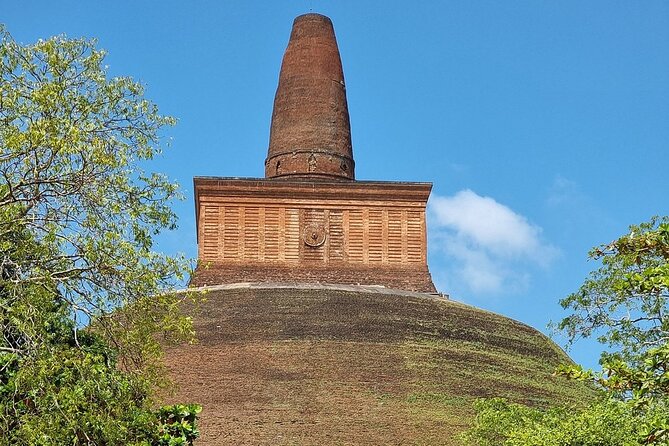
Now you hit two places that show different sides of the city.
First is Ruwanwelisaya, also known as the Ratnamali or Mahathupa. The description says it was constructed under the guidance of Great King Gamini Abhaya in the second century BC. When a guide shares that kind of specific timeframe, you start seeing the monument as an intentional project, not a random old pile.
You get about 25 minutes here, with admission listed as free. The key value is understanding what you are looking at. A stupa is a symbol, but it also signals power, devotion, and long-term religious planning. If you are someone who likes dates, rulers, and cause-and-effect, you will probably enjoy how this stop is framed.
Then you head to Gedige Ruins, at the Mahapali Alms Hall. The largest structure mentioned is the Mahapali Refectory, described as a place that supplied meals for Buddhist monks from the royal side. That small detail changes how you interpret ruins. You stop thinking only about ceremonies and start thinking about logistics, daily life, and how religious communities were sustained.
Admission is listed as free for this stop too, with 25 minutes. In my experience, the alms and meal-hall theme often becomes one of the day’s best connections, because it humanizes the grand monuments.
Twin Baths (Kuttam Pokuna) and Janthagara: Water Engineering With a Purpose
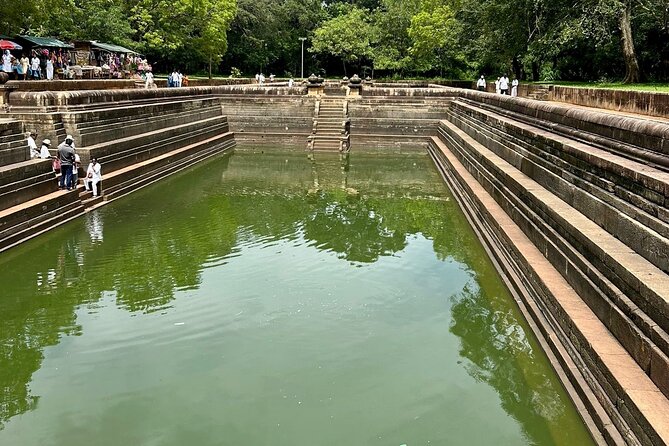
If you like variety, this is where the tour starts shifting from monumental stone to practical systems.
Stop seven is Twin Baths (Kuttam Pokuna). The notes describe two ponds built on low ground, calling them picturesque and excellent examples of water and design, including a hydraulic system that shows ancient engineering skills.
Admission is listed as not included for this stop. Time is about 15 minutes. If you are excited by how water systems work, this is a great breather between bigger structures. You can also ask the guide to explain what the hydraulic design likely achieved, even if the details vary by interpretation.
Stop eight is the Janthagara steam bath building. The notes compare it to a modern steam bath, but explain that it was not only for steam bathing. It mentions a well-developed Sinhalese medication practice performed from the 4th century AD onwards.
Again, admission is listed as not included, with about 15 minutes. This is a unique emotional shift from the holy tree and stupa mood into something more bodily and practical. It is one of those stops that helps you see the sophistication of older Sri Lankan medical and wellness traditions, as presented in the tour notes.
Consideration: if your group’s interests are only religious monuments and architecture, these engineering and health stops might feel different. They are still part of the monastic complex story, but you might want to tell your guide what you care about most so they can pace accordingly.
Abayagiri Refectory, Rathna Prasadaya, and Guardstone: Small Art With Big Meaning
After the baths, the route moves into features that are easy to overlook if you do not slow down.
Stop nine covers the Main Refectory of Abayagiri Monastery. The notes describe a large granite trough shaped like a canoe, plus an intaglio in the refectory premises. It also mentions the Chinese monk Fa-hsien, who was studying a part of the monastic world there.
Admission is listed as not included and the time is about 15 minutes. This is enough time to see the shape and appreciate the carving without making it feel like a full museum visit. What makes it valuable is the context. A trough sounds ordinary until you learn what it represented in communal routines.
Stop ten is Rathna Prasadaya & Guardstone, also referred to as the pohoy ge and guardstone. The notes call it one of the finest works of art in Sri Lanka, dating to about the 8th century AD, and it highlights the ancient craftsmen’s aesthetic sense.
Time here is only about 10 minutes. Short stop, big payoff if you ask questions. Ask what the guardstone function was in the shrine space. Ask what makes the craftsmanship special.
Eth Pokuna Elephant Pond and Sandakada Pahana Moonstone: The Ruins That Look Like Sculpture
Two final stops give you a strong visual finish.
Stop eleven is Eth Pokuna, popularly called the Elephant Pond. The notes say it is south-west of the refectory and mention it may be the largest man made pond in Asia, built in the 3rd century AD.
Admission is listed as not included here, with about 15 minutes. If you enjoy scale, this stop usually lands well. Even if you do not know the engineering math, you can still feel why a pond of this size would matter for irrigation and daily life around a monastic center.
Stop twelve is the Moonstone, or Sandakada pahana. The notes describe it as a doormat at the foot of steps to a Buddhist shrine, with the sculptor transforming it into a more imaginative form. This is a great last stop because it is tactile in meaning, even if you cannot touch. It also helps you end the day by seeing art embedded in architecture, not separate from it.
Admission is listed as not included, with about 15 minutes. If your feet are tired by now, that is normal. Use the last block to look closely, then let the guide’s explanation do the heavy lifting.
Optional Mihintale: How to Decide Without Losing the Anuradhapura Flow
The experience name includes an optional visit to Mihintale, but the detailed stop list provided here focuses on Anuradhapura sites. So here is my practical advice: confirm with your guide whether your specific booking includes Mihintale and how it fits into your 6-hour plan.
If Mihintale is included, treat it as a trade-off. You may spend less time at one of the Anuradhapura stops, or you may extend beyond the listed pace. Either way, ask the guide what they will cut or shorten, so you can choose based on your priorities.
If you are a first-time visitor and you want the core Anuradhapura monuments, I would personally keep the focus on what you are already seeing here. If you already know Anuradhapura and Mihintale is a must, then the optional add-on can make sense.
Who Should Book This Tour, and Who Might Prefer DIY
This suits you if:
- you want a private guided tour in Anuradhapura that keeps the day efficient
- you like learning the meaning behind sacred sites, not only collecting photos
- you want time to ask questions and get direct answers from a licensed guide
- you enjoy archaeology and religious architecture, including smaller engineering and art details
It might not be your best fit if:
- you only want to roam independently and you hate buying multiple entry fees
- your group dislikes any stops that require optional admissions beyond what is free
- you prefer a longer, slower day rather than a compact 6-hour loop
One practical note: the listing says most travelers can participate. Still, you will be walking through historic sites. Wear comfortable shoes and expect uneven surfaces.
Should You Book It?
I think this is a strong choice for your first serious pass through Anuradhapura, mainly because the guide experience is the standout. The route is organized so you see the major anchors, and the explanations are detailed enough to make even the less obvious features feel worthwhile.
Yes, budget for extra tickets if you plan to enter the UNESCO areas and the stops listed as admission not included. But if you want your time to produce real understanding, not just sightseeing, this private format is usually the best value. If you care about getting the story right, book it.
FAQ
How long is the Anuradhapura guided tour?
The tour duration is approximately 6 hours.
Where does the tour start and where does it end?
It starts at Pothanagama Junction and ends back at the same meeting point.
Is this tour private or shared with other groups?
It is private. Only your group participates.
What is included, and what is not included?
Included items are a professional and licensed tour guide, bottled water, and Soda/Pop King Coconut. Not included items are entrance admission to UNESCO World Heritage Sites (listed as $30 per person) and private transportation. Some specific stops also list admission as not included.
What time does the tour run?
The listed opening hours are Monday to Sunday, 7:30 AM to 10:30 AM.
What if weather is bad or you need to cancel?
The experience requires good weather. If it is canceled due to poor weather, you are offered a different date or a full refund. Cancellation is free up to 24 hours in advance for a full refund.
More Tour Reviews in Anuradhapura
Anuradhapura, Deeper
Still browsing Anuradhapura? Start here
- Rangiri Jeep Safari Sigiriya Lion Rock & Evening Jeep Safari★ 4.0 · 3 reviews
- Half Day – Minneriya National Park Safari Tour From Habarana/Sigiriya★ 3.5 · 3 reviews
- Sunrise or sunset tour pidurangala Rock and Sigiriya Rock★ 5.0 · 4 reviews
- Wilpattu Half Day Safari From Anuradhapura★ 5.0 · 4 reviews
- Minneriya National Park Half Day Elephant Safari★ 5.0 · 4 reviews
Anuradhapura Tours, compared.
 ★ 5.0Private City Day Tour in AnuradhapuraFrom $30383 reviews
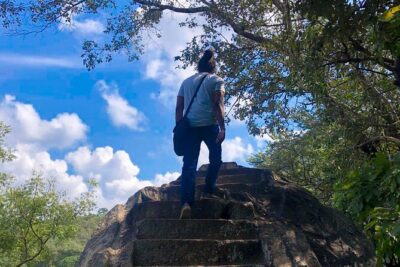 ★ 5.0Explore & Ride the history of anuradhapura with Vogel ToursFrom $4062 reviews
 ★ 4.4From Anuradhapura: All Inclusive Full Day Safari at WilpattuFrom $11750 reviews
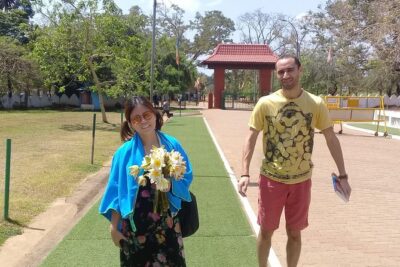 ★ 4.5Day tour sigiriya to anuradhapuraFrom $12045 reviews
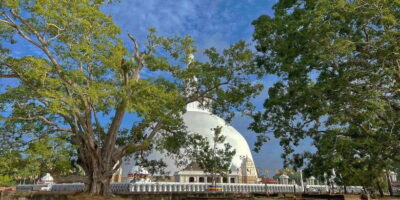 ★ 5.0Anuradhapura Private Ancient City Day TourFrom $3039 reviews
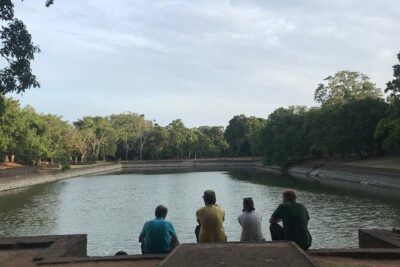 ★ 5.0Anuradhapura Heritage Mountain bike / bicycle TourFrom $2534 reviews
 ★ 4.5Anuradhapura: Full-Day Wilpattu All Inclusive Private SafariFrom $9024 reviews
 ★ 4.5Half day tour – in Sacred city of Anuradhapura Or sacred city of Mihintale.From $3024 reviews
Browse the lists this tour appears in