
REVIEW · GALLE & GALLE FORT TOURS
Galle: Sri Lankan Cuisine Cooking Experience
A cooking class in Galle feels more like a visit home. You start with a traditional oil-lamp lighting ceremony, then roll roti by hand and grind fresh coconut for sambol. I love how hands-on this is, and I also love the warm, family-style meal that closes it.
The two big wins for me are the roti and sambol practice and the fact you’re not just watching. You’re in the kitchen, working along with a host family, and the step-by-step explanations make it easier to repeat at home.
One thing to consider, though: if you hate eating with your hands, plan on asking for utensils ahead of time, because the traditional banana leaf meal is central to the experience.
In This Review
- Key Things You Will Really Notice
- Cooking in a Family Kitchen, Not a Demo Room
- The Welcome Ritual: Oil Lamp Lighting and a Proper Start
- Step Into the Spice-Filled Kitchen
- Rolling Roti by Hand: The Skill You Can Actually Reuse
- Grinding Fresh Coconut for Sambol
- The Meal: Banana Leaf Dining and Eating Like the Family
- What You’ll Take Home Beyond Recipes
- Price and Value: What $40 Buys You
- Best Fit: Who Should Book This Cooking Class
- A Simple Plan for Your Day in Galle Area
- Should You Book Galle Gedara’s Sri Lankan Cooking Class?
- FAQ
- Where does this cooking experience take place?
- How long is the cooking class?
- How much does it cost?
- Is the class taught in English?
- Is this a private group?
- What is included in the experience?
- Do I have to eat with my hands?
- Do I need to arrange transportation?
- What should I wear?
Key Things You Will Really Notice
- Oil-lamp welcome and flower bouquet that sets a respectful, festive tone right away
- Hand-rolled roti where you learn the feel of the dough, not just the recipe
- Fresh coconut sambol made with your own grinding, so the flavors hit differently
- Private group, English instruction, good if you want questions answered without rushing
- Banana leaf dining with the host family, a full cultural meal, not a snack
Inside the ramparts and well past them
- Galle: Traditional Gems & Jewellery Workshop with Transfers
★ 4.9 · 539 reviews - Galle Fort Walking tour
★ 4.9 · 285 reviews - Galle/Mirissa/Hiriketiya: Drop to Ella & Udawalawa Safari
★ 4.9 · 186 reviews - Galle Unawatuna Cooking Class
★ 5.0 · 142 reviews
Cooking in a Family Kitchen, Not a Demo Room
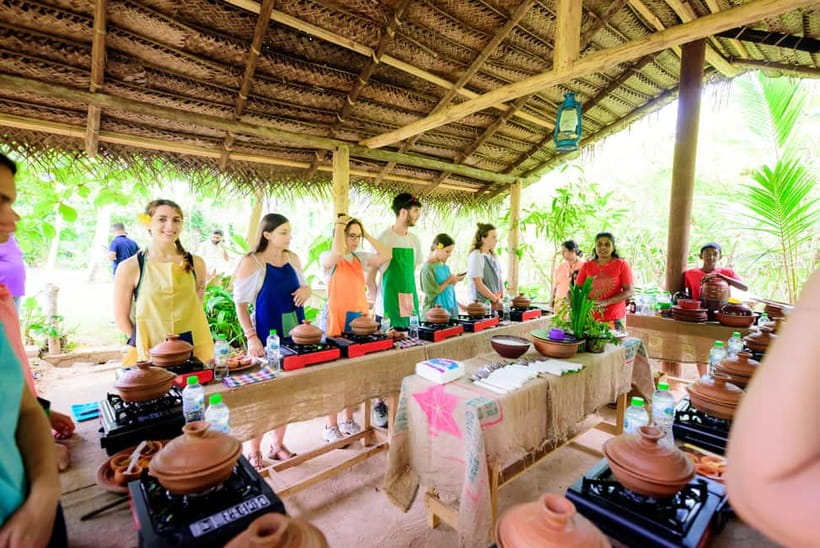
If you want the Sri Lankan food you taste on the street, but you also want to understand how it gets made, this is a great way to do it. This experience takes place in a host family kitchen in Kotapola, near Galle. It runs about 3 hours, and the class is taught in English.
What makes it work is the setup. You get welcomed properly first, with an oil-lamp lighting ceremony and a flower bouquet. Then the experience shifts from ceremony to food, and you spend the time doing real cooking tasks alongside your hosts.
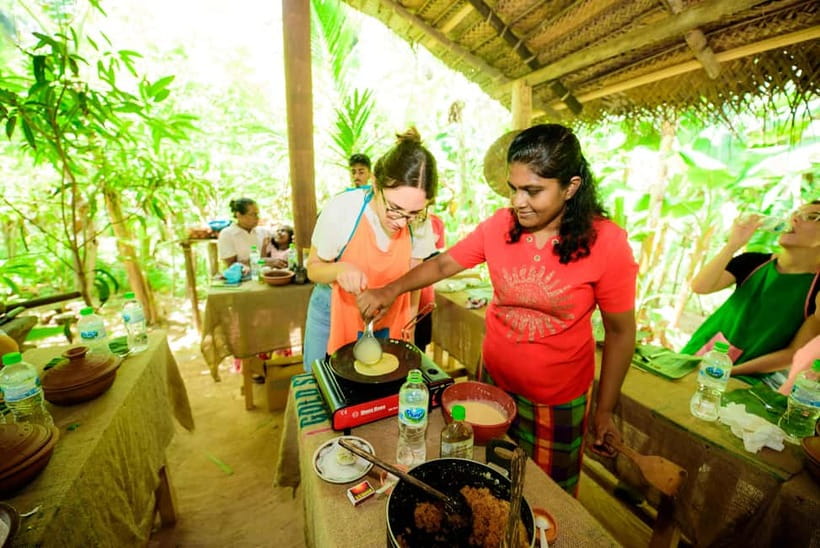
You’re also not dealing with a crowd. It’s a private group, so the pace stays human. That matters when you’re learning techniques like rolling roti, where timing, thickness, and confidence all play a role.
And yes, the meal is a big deal here. You eat traditionally on a banana leaf, using your hands. That final part is not just included as a bonus, it’s part of the learning. Eating the way the family eats is a shortcut to understanding the balance of flavors and textures.
The Welcome Ritual: Oil Lamp Lighting and a Proper Start
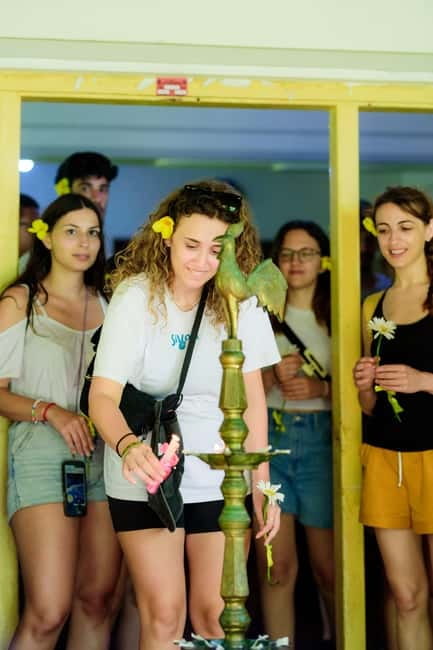
The class begins at Galle House with a warm welcome. The first moment you’ll remember is the oil-lamp lighting ceremony. It’s simple, but it sets the tone. It signals hospitality, and it makes the whole day feel intentional.
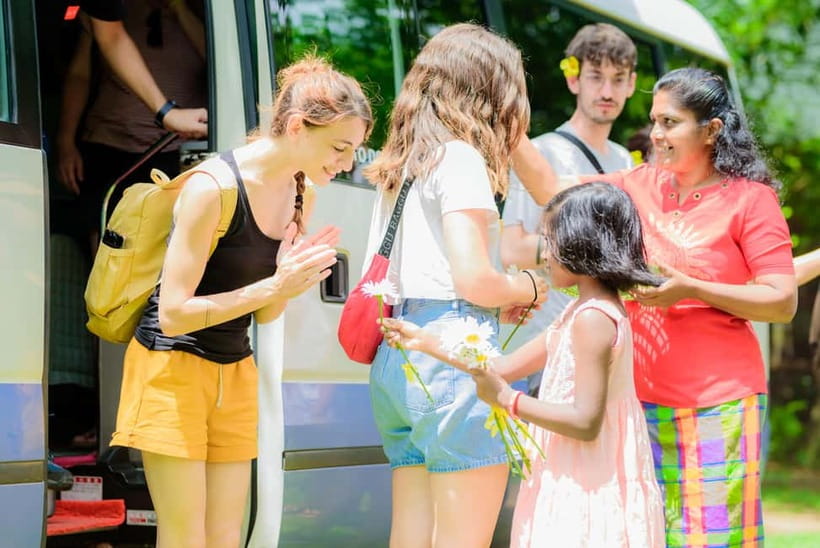
Right after, you receive a flower bouquet. It sounds like a small detail, but it helps you understand you’re entering a family space, not just attending an activity. You’re expected to be present, respectful, and ready to participate.
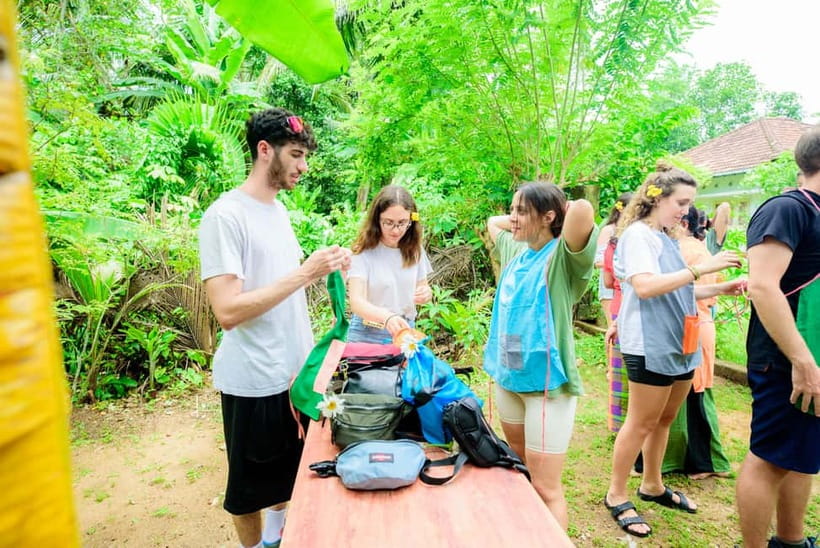
Practical tip: wear comfortable clothes you can move in. You’ll be cooking, handling ingredients, and working at a kitchen setup that may not be like a restaurant station.
Step Into the Spice-Filled Kitchen
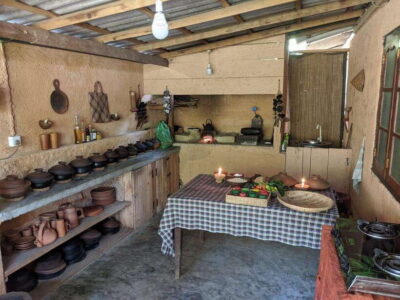
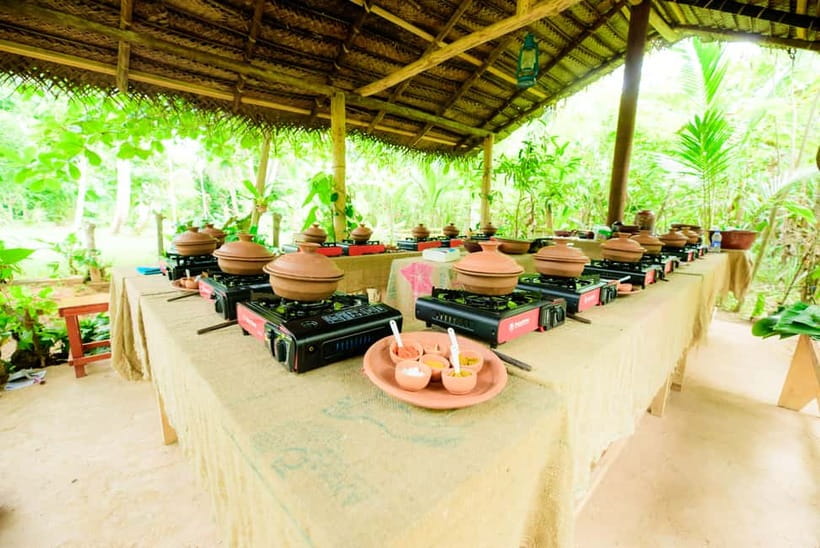
Once you’re in the family kitchen, you’ll get hit with the smell of spices. That may sound like a generic travel line, but here it’s functional. You’re learning how ingredients work together, and scent is a quick early clue about what’s coming.
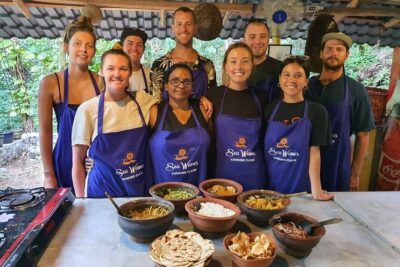
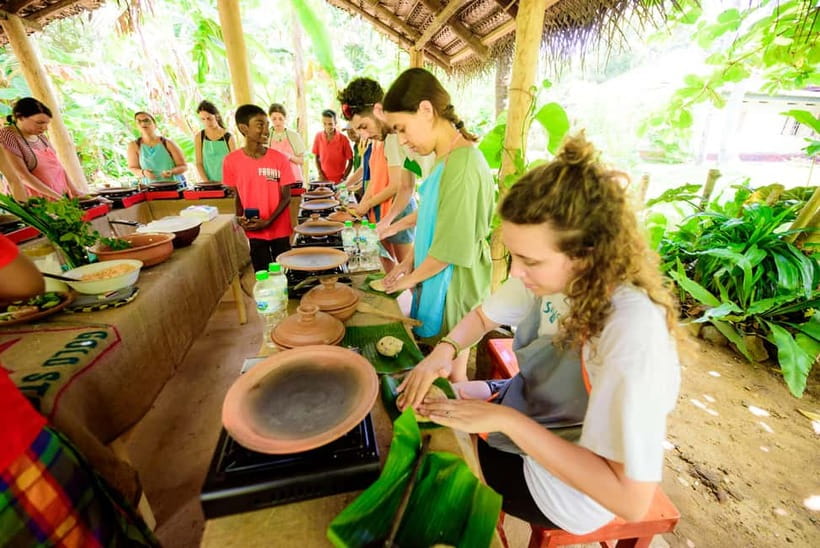
At the start, you’ll be given an apron. That’s useful because Sri Lankan cooking can be a hands-on mess, especially when you’re learning dough work and coconut prep.
This is also where the English instruction really helps. You’re not just following motions. Your host can explain the steps and the reasons behind them, so you understand how to adjust if your dough feels different or your sambol texture turns out looser than expected.
From the reviews, the hosts who led classes were praised for clear explanations and friendly, welcoming energy. In one recent experience, hosts Malika and Sanuth were singled out for being amazing, and they were especially accommodating, even for a young child in the group.
Hungry still? More kitchens to sit in
Rolling Roti by Hand: The Skill You Can Actually Reuse
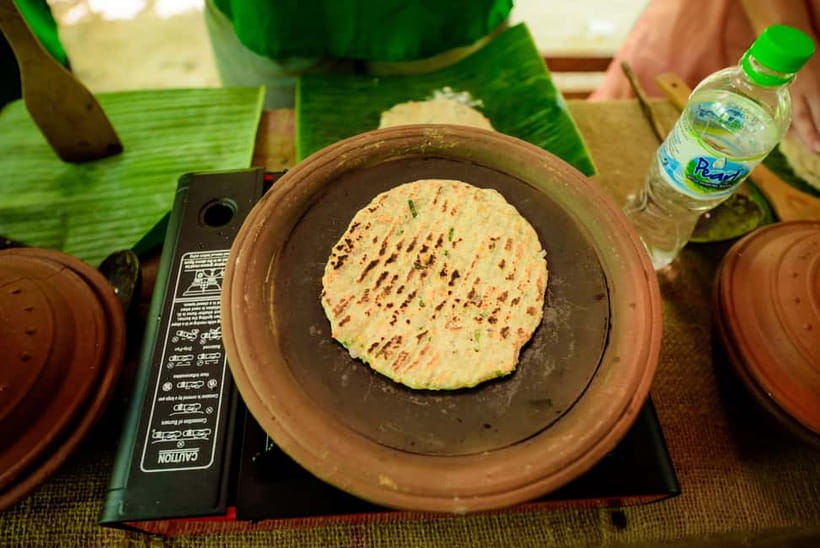
Hand-rolled roti is one of the most rewarding parts of the class. You’re not learning roti as a distant concept. You’re learning the feel.
Here’s what makes hand-rolling worth your time: roti dough is forgiving, but it still responds to technique. When you roll, you manage thickness and shape. Too thick in one spot and the texture will be different. Too thin and you’ll fight tears. You learn by doing, with guidance right there.
If you like cooking classes where you come home with a skill, this is a standout. Even if you never nail the exact same method at home, you’ll understand how dough should behave and how sambol changes what you want to pair with it.
Grinding Fresh Coconut for Sambol
Next comes coconut sambol, and the key detail is fresh coconut grinding. That step changes everything. Pre-made sambol can taste good, but freshly prepared coconut has a different aroma and mouthfeel.
Sambol is also a flavor lesson. Coconut brings a base richness. Then you’re balancing heat, tang, and salt depending on how it’s prepared. Grinding the coconut yourself gives you a better appreciation for texture, and that affects how the sambol clings to roti and how it spreads on the banana leaf.
This is the kind of practical food knowledge that sticks. After you grind and mix, you stop thinking of sambol as a side dish and start treating it like a central flavor system.
The Meal: Banana Leaf Dining and Eating Like the Family
When the cooking is done, you sit down and eat in the traditional way. The centerpiece is a banana leaf meal. Eating with your hands is part of the experience, and it helps you understand how Sri Lankan meals are built around scooping and mixing flavors.
Now the honest note: if you’re hesitant about eating with your hands, you can usually ask for utensils. The experience is traditional, but it’s not designed to be inflexible. Still, don’t count on utensils arriving automatically. If you know you’ll need them, request them before the meal.
One reason this meal lands well for most people is the social side. You’re sharing food with the hosts, so the meal feels like conversation, not a performance. Stories, laughter, and relaxed chatting show up naturally when everyone is eating what they helped make.
This is also where private group format pays off. If you have questions, you’ll likely get answers between bites, not only in the kitchen.
What You’ll Take Home Beyond Recipes
A typical cooking class can give you a list of ingredients. This one gives you more than that.
You’ll learn:
- how roti dough behaves when it’s rolled by hand
- how sambol’s texture changes when you grind fresh coconut
- how a Sri Lankan meal flows, with different parts working together
And you’ll pick up some cultural context without it turning into a lecture. The oil-lamp welcome, the family kitchen atmosphere, and the banana leaf dining all teach the same idea: food is shared, and the process matters as much as the outcome.
If you’re trying to plan your Galle trip, this kind of experience is the opposite of a checklist stop. You’re not just moving through a place. You’re spending time with people in a room where everyday life happens.
Price and Value: What $40 Buys You
At $40 per person for 3 hours, this is priced for a hands-on, host-family setup. In places where classes are run like structured entertainment, you might pay similarly but get less personal time.
Here, the value comes from:
- genuine hands-on cooking tasks (roti and sambol, not just chopping)
- a meal shared with the host family, not eaten separately
- ingredients included, and your welcome ceremony included
You’re also getting English instruction in a private group, which reduces the problem of losing your spot in a large class.
The main “cost” in your time is that you won’t be rushing. You’ll likely want to keep this as a half-day anchor. If you schedule it when you’re already exhausted, you’ll feel it. If you schedule it with energy, it feels like one of the best parts of a Galle area trip.
Best Fit: Who Should Book This Cooking Class
This experience fits best if you:
- want authentic Sri Lankan flavors made by a local host
- like interactive cooking, not just watching demonstrations
- enjoy family-style travel, where conversation is part of the day
- want a practical skill you can reuse later (especially roti technique)
It’s also a good choice for couples and small groups because private format keeps the class personal.
It’s less ideal if you:
- strongly dislike eating with your hands and don’t plan to request utensils
- are only interested in photos and prefer passive activities
- need the class to be ultra-fast and perfectly timed for strict schedules
A Simple Plan for Your Day in Galle Area
Because transportation to and from Galle House isn’t included, plan how you’ll get there. If you’re staying in Galle or nearby, you’ll likely sort out a tuk-tuk or ride on your own. Build in a little buffer so you arrive relaxed.
Then, once you’re there:
- accept the welcome and enjoy the ritual tone
- focus on the kitchen steps, especially roti rolling and sambol grinding
- treat the banana leaf meal like the main event, not an afterthought
The class is 3 hours, so it’s long enough to learn real technique, not long enough to feel like an all-day commitment.
Should You Book Galle Gedara’s Sri Lankan Cooking Class?
I’d book it if you want a Galle experience with real substance. The best part is that you’re not just tasting Sri Lankan food, you’re learning how the flavors get built, step by step, in a family kitchen. The oil-lamp welcome and banana leaf meal make it feel culturally grounded, not staged.
Skip it only if eating with your hands is a deal-breaker for you, or if you want a purely sightseeing day instead of an active food experience.
If you’re on the fence, think about your goal for this trip. If your goal is to come home with skills and stories, this one earns its place.
FAQ
Where does this cooking experience take place?
It takes place in the Kotapola area of Sri Lanka, at the Galle House.
How long is the cooking class?
The experience lasts about 3 hours.
How much does it cost?
The price is listed as $40 per person.
Is the class taught in English?
Yes. The instructor is listed as English.
Is this a private group?
Yes. The group type is private.
What is included in the experience?
You get the traditional Sri Lankan cooking class, hands-on cooking with a local host, all ingredients, a meal shared with the host family, and the welcome ceremony with oil lamp lighting plus a flower bouquet.
Do I have to eat with my hands?
Eating with your hands is part of the experience, but utensils can be provided upon request.
Do I need to arrange transportation?
Transportation to and from Galle House is not included.
What should I wear?
Wear comfortable clothes suitable for cooking. You’ll be provided an apron when the lesson starts.
More Tour Reviews in Galle
More Kitchens to Sit In
Galle Beyond the Fort Walls
Still browsing Galle? Start here
- From: Ella – YALA Safari – Drop off: Arugam Bay / Arugambay★ 5.0 · 3 reviews
- Galle Instagram Tour: Most Famous Spots (Private & All-Inclusive)★ 5.0 · 3 reviews
- Galle Sightseein Rickshaw Tour★ 4.5 · 3 reviews
- From Colombo: Day Trip to Galle City, Koggala and Unawatuna★ 4.2 · 3 reviews
- Yala National Park Private Safari (All Inclusive) From Mirissa★ 4.5 · 4 reviews
Galle & Galle Fort Tours, compared.
 ★ 4.9Galle: Traditional Gems & Jewellery Workshop with TransfersFrom $13539 reviews
 ★ 4.9Galle Fort Walking tourFrom $15285 reviews
 ★ 4.8Hikkaduwa/Galle/Weligama/Mirissa/Tangalle: Yala Safari TourFrom $45263 reviews
 ★ 4.7Galle and Bentota Day-Tour From ColomboFrom $45200 reviews
 ★ 5.0Galle Unawatuna Cooking ClassFrom $30142 reviews
 ★ 4.6From Mirissa / Galle / Tangalle to Yala Safari & Drop- EllaFrom $11124 reviews
 ★ 4.8YALA SAFARI TOUR from TANGALLE/HIRIKETIYA/MIRISSA/GALLEFrom $43121 reviews
 ★ 4.8Hikkaduwa/Galle/Weligama/Mirissa/Tangalle: Udawalawa SafariFrom $27114 reviews
Browse the lists this tour appears in