
REVIEW · SRI LANKAN COOKING CLASSES
Authentic Sri Lankan Cooking Experience
Firewood, clay pots, Sri Lanka in one afternoon. This is a hands-on cooking class in Kandy that leans into Ayurvedic ideas, using homegrown vegetables and herbs to turn a meal into a culture lesson.
I really like the setting and pacing. You start in a quiet village-style home and garden, and you get a practical look at spices and how they’re used. I also like the fact that you cook with traditional gear, clay pots, coconut spoons, and firewood stoves, which makes the food taste like it was meant to taste.
One consideration: the cooking happens in a real, weather-dependent outdoor setup. If conditions are poor, the experience may be canceled and rescheduled, so you’ll want some flexibility in your Kandy day.
In This Review
- Key things to know before you go
- Why this cooking class feels like a Kandy home, not a show
- Garden-to-kitchen starts with the spices you can actually see
- Ayurvedic ideas, explained in cooking terms
- The real kitchen setup: clay hearth, wood fire, coconut spoons
- What the class might include: multiple dishes plus roti
- Lunch and dinner: the point is tasting the whole lesson
- Price and value in Kandy, where $25 can be more than a meal
- Timing, meeting point, and how to plan your Kandy day
- The human side: why the chef and family-style setup matters
- Who should book this cooking class
- Quick tips to get the most out of your 2.5 hours
- FAQ
- What time does the Sri Lankan cooking experience start in Kandy?
- How long is the experience?
- What meals are included?
- Are there vegetarian or vegan options?
- Where do we meet, and where does it end?
- Is pickup transportation included?
- Should you book this cooking class in Kandy?
Key things to know before you go
- Homegrown ingredients: many herbs and vegetables come from the resort’s own organically grown garden
- Traditional cooking tools: clay hearth, clay pots, coconut spoons, and wood fire are part of the lesson
- Ayurvedic-minded approach: the chef links ingredients and methods to health and wellness ideas
- Vegetarian and vegan options: you can choose meat-free versions without missing the core experience
- You eat what you cook: lunch and dinner are included, so it’s not just a demonstration
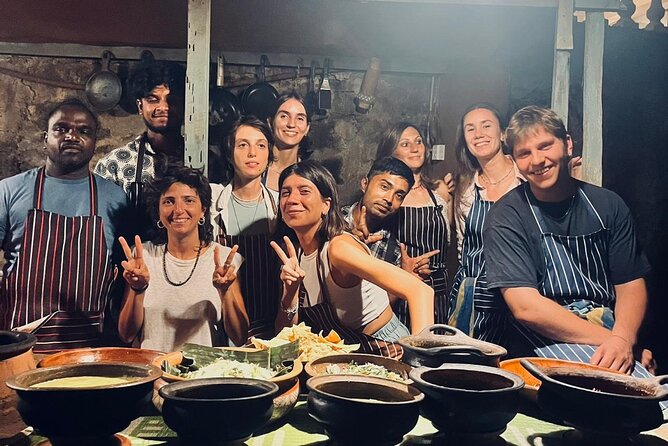
- Private group format: it’s only your group, so questions are easier and the pace feels personal
Hungry still? More kitchens to sit in
- Kandy Village Cooking Class
★ 5.0 · 536 reviews - Private Traditional Sri Lankan Cooking Class in Kandy with Hotel Transfers
★ 5.0 · 115 reviews - Kandy Cooking Class with Granny
★ 4.9 · 95 reviews - Private Kandy Authentic Cooking Class
★ 5.0 · 65 reviews
Why this cooking class feels like a Kandy home, not a show
This class is built around a simple idea: food is family knowledge. Instead of a scripted performance, you’re learning in a calm village home kitchen, with a garden nearby and lots of focus on the ingredients themselves. That alone makes the experience feel grounded, not touristy.
The best part is how the chef connects the cooking to everyday life. You’re not only memorizing steps. You’re hearing why certain flavors and textures are used, and how those choices fit into Sri Lankan traditions.
A bonus, if you prefer slower travel: the cooking process gives you time to notice details. While your meal simmers, you can enjoy homemade herbal tea or iced tea, which keeps the whole thing relaxed instead of rushed.
Garden-to-kitchen starts with the spices you can actually see
Most cooking classes start with a counter full of pre-cut ingredients. Here, you begin with the garden and the plants behind the food. You’ll tour spices and herbs, and you’ll learn what they’re used for and why they matter in Sri Lankan cooking.
This is where the lesson gets useful for your own cooking later. When you understand what’s in the dish and what each herb is supposed to do, you’re less stuck translating a recipe from a menu. You also get a stronger sense of what makes Sri Lankan flavors feel unmistakable.
In the reviews and the program description, a recurring highlight is the garden tour. People often mention learning the benefits of the food based on what they’re seeing and smelling right there, not just hearing it described.
Ayurvedic ideas, explained in cooking terms
Sri Lankan food often comes with stories about balance, wellness, and how ingredients affect the body. This class uses that same thinking, drawing on traditional Ayurvedic principles.
The way it shows up is practical. Instead of vague wellness talk, you’ll hear how herbs and ingredients support health, and how that connects to cooking methods. Even if you don’t follow Ayurveda strictly, you’ll still come away with a better sense of ingredient logic.
Think of it like nutrition education, but taught through action. You cook with the same ingredients the chef is discussing, so the meaning sticks.
Also, if you’re traveling with dietary needs, this approach helps. Vegetarian and vegan options are included, so you can still learn the “why” behind seasoning and technique without needing meat or seafood.
Other Kandy trips readers tend to shortlist


The real kitchen setup: clay hearth, wood fire, coconut spoons
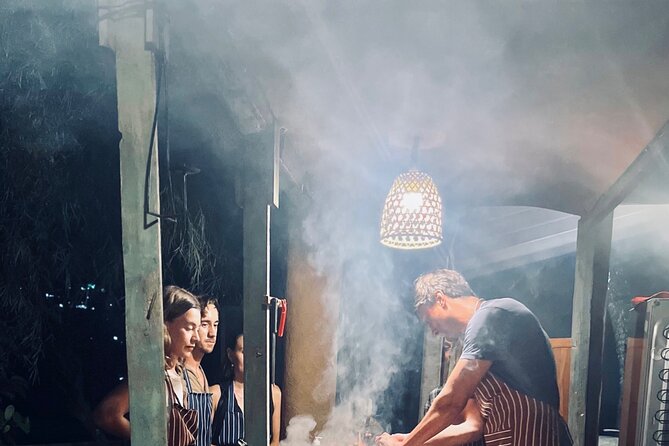
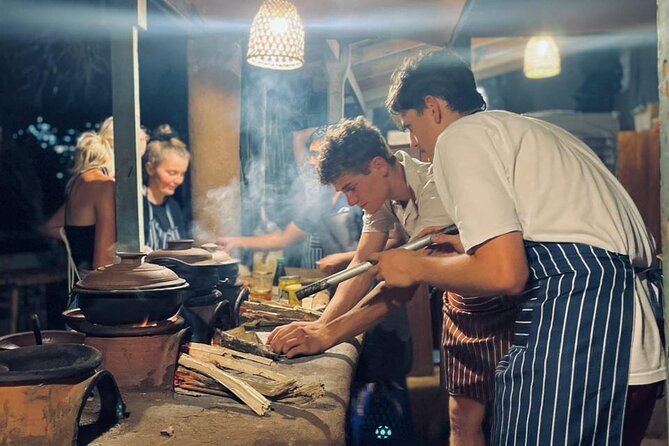
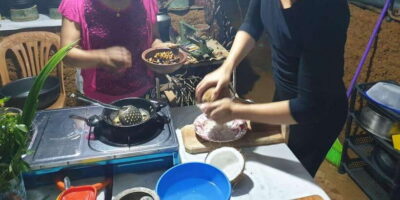
Here’s the part that food lovers tend to remember: you cook on traditional equipment. Clay hearths and pots conduct heat differently than electric stovetops, and wood fire changes the cooking pace and aroma.
You’ll use tools like coconut spoons, too. Those small details matter more than they sound, because they connect you to the way Sri Lankan cooks handle thick sauces, spices, and coconut-based flavors.
The class also leans on family-style technique. You’re shown step-by-step methods, not only the end result. That matters because Sri Lankan curries can depend on timing, heat level, and texture, not just the list of ingredients.
One tip from the experience vibe: wear something you don’t mind getting a little warm and possibly stained. If you’re expecting a spotless indoor lab, adjust your expectations.
What the class might include: multiple dishes plus roti
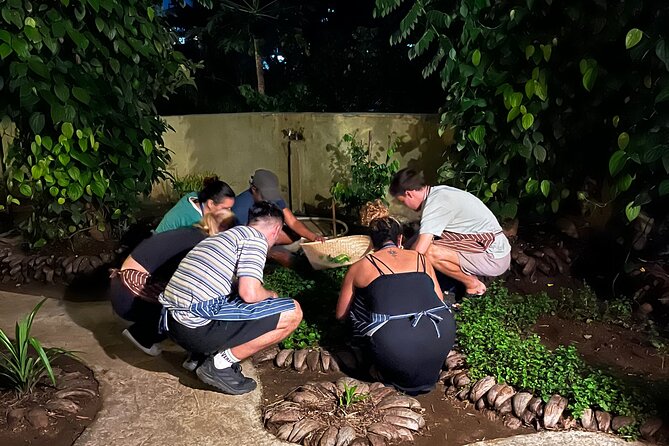
This is a “cook the meal” format, not a short snack session. You’ll prepare a complete Sri Lankan meal using fresh, homegrown ingredients, and you’ll get cultural context as you go.
The exact menu can vary, but at least one strong pattern shows up: people often leave having cooked many items. A recent example includes cooking around seven dishes plus roti, which tells you this is meant to be hands-on and satisfying.
So when you book, plan to be active. Expect chopping, mixing, stirring, and learning how flavors build. If you’re the type who likes to understand what goes into your plate, you’re going to enjoy this.
And yes, the eating is part of it. Lunch and dinner are included, so you’re not just sampling a bite and running off.
Lunch and dinner: the point is tasting the whole lesson
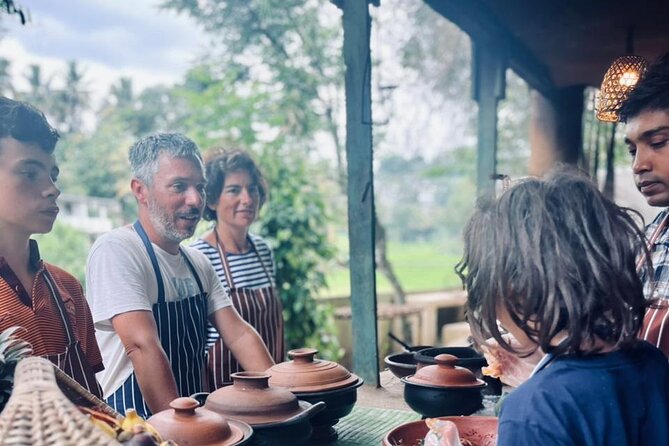
This class includes lunch and dinner, which is a big deal for value in Kandy. At other cooking classes, you might cook and then eat a small portion. Here, you should expect a proper meal service connected to what you cooked.
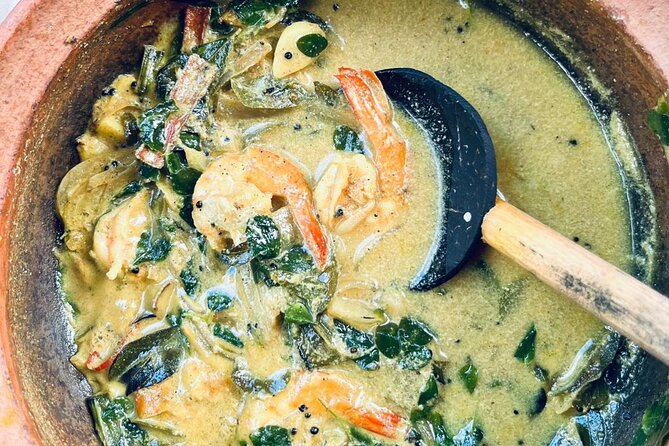
Because the menu is Sri Lankan and built around fresh ingredients, you’ll likely notice how herbs show up both in aroma and in flavor depth. You’re also learning techniques that affect texture, like how curries reduce or how roti is handled.
If you’re wondering whether you’ll feel too full: it might be a lot of food in 2.5 hours. But if you’re hungry, it’s also a great trade. You get skill, context, and two meals, not just one.
Price and value in Kandy, where $25 can be more than a meal
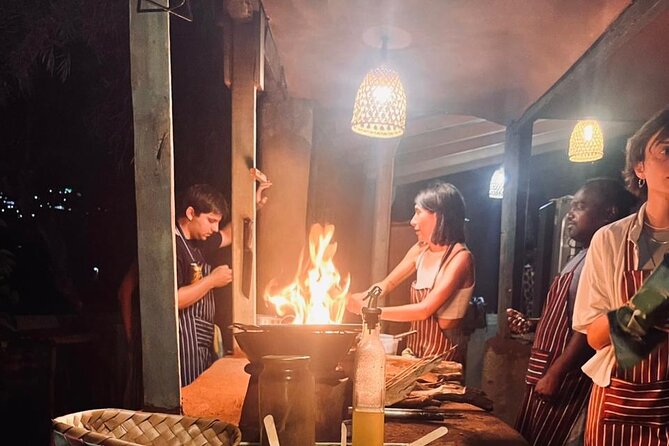
At $25 per person, this is good value for a few reasons.
First, you’re paying for instruction plus ingredients plus meals. Lunch and dinner are included, so the price isn’t only “class time.” Second, you get to cook on traditional equipment with homegrown, organically grown produce, which is a real differentiator.
Third, it’s private for your group. That means your questions are more likely to get answered, and you’re less likely to feel like you’re waiting your turn while someone else takes up the burner time.
One note on logistics: private transportation is not included. If you arrange pickup, there are additional charges depending on distance and vehicle type. If you already have a way to reach Kandy Living Villa & Homestay, you can keep costs simple.
Timing, meeting point, and how to plan your Kandy day
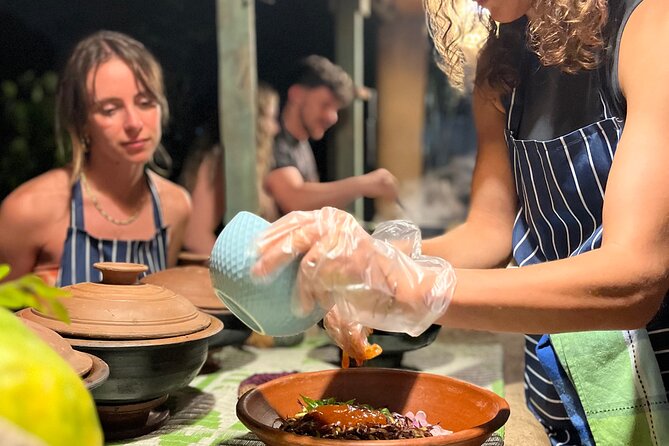
The class starts at 11:00 am and runs about 2 hours 30 minutes. The experience ends back at the meeting point, so you’re not left scrambling for your next ride.
Meet at Kandy Living Villa & Homestay, Maithree Mawatha, Kandy 20000, Sri Lanka. It’s near public transportation, which helps if you’re moving around Kandy independently.
Because it requires good weather, I’d treat this like a “use your best weather window” activity. If your plan includes outdoor sightseeing later, consider scheduling this earlier so you’re less at the mercy of rain.
The human side: why the chef and family-style setup matters
A big reason this class gets strong marks is the tone. People describe friendly, warm hosts and an atmosphere that feels welcoming, not formal.
One name you may hear mentioned is Sandy. There’s also an emphasis on accommodation when plans go sideways, like if you arrive late. If you’re worried about traffic or timing, it’s comforting to know the team works hard to keep you from missing the main parts.
The point is simple: when someone explains cooking while also making you feel at ease, you retain more. You ask better questions. You don’t rush the learning part. And your meal tastes like your effort, not like a handoff.
Who should book this cooking class
This is a great fit if you want more than food photos.
You should book if you:
- like hands-on activities where you can ask questions
- want to learn Sri Lankan cooking techniques using traditional tools
- care about ingredient quality and prefer homegrown produce
- have a vegetarian or vegan diet and still want a full experience
You might think twice if you:
- hate outdoor cooking setups or don’t do well with heat and wood-fire conditions
- need a rigid schedule on a day with uncertain weather
- want a very short, low-commitment activity
Quick tips to get the most out of your 2.5 hours
Show up a little early. Starting at 11:00 am, it helps to get settled before the garden and kitchen flow begins.
Wear practical clothes. You’ll be working with ingredients near a kitchen setup that uses firewood stoves and clay hearths.
If you have dietary needs, say so up front. Vegetarian and vegan options are included, but you’ll get a smoother experience if the team knows your preferences early.
Ask how dishes are built. If you want to cook Sri Lankan food later, the method matters as much as the flavor list. Pay attention to timing, heat, and reductions.
Finally, pace yourself with the drinks. Herbal tea or iced tea is part of the experience, and it’s nice, but you still need to stay focused while you cook.
FAQ
What time does the Sri Lankan cooking experience start in Kandy?
The start time is 11:00 am.
How long is the experience?
It runs for about 2 hours 30 minutes.
What meals are included?
Lunch and dinner are included.
Are there vegetarian or vegan options?
Yes. Vegetarian and vegan options are included.
Where do we meet, and where does it end?
You meet at Kandy Living Villa & Homestay, Maithree Mawatha, Kandy 20000, Sri Lanka, and the activity ends back at the same meeting point.
Is pickup transportation included?
Private transportation is not included. If you arrange pickup, there will be additional charges based on distance and the vehicle type.
Should you book this cooking class in Kandy?
If you want an authentic Sri Lankan meal with real technique, book it. The combination of homegrown ingredients, traditional clay-and-wood cooking, and a chef-led explanation tied to Ayurveda makes this more than a ticket to dinner.
It’s also a smart value at $25 because lunch and dinner are included and it’s a private group format. Just plan for a weather-dependent, hands-on kitchen setup and make sure you’re at the meeting point on time for the 11:00 am start.
More Cooking Classes in Kandy
More Tour Reviews in Kandy
More Kitchens to Sit In
Still browsing Kandy? Start here
- Udawalawe National Park Private Full-Day Safari★ 5.0 · 3 reviews
- Wasgamuwa National Park Safari from Kandy★ 5.0 · 3 reviews
- Private Sri Lanka Tour & Hike Experience to Ambuluwawa Tower★ 5.0 · 3 reviews
- Kandy Instagram Tour: Most Famous Spots (Private & All-Inclusive)★ 5.0 · 3 reviews
- Kandy to Ella★ 5.0 · 3 reviews
Sri Lankan Cooking Classes, compared.
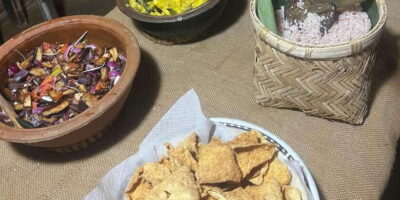 ★ 4.9Ella: Traditional Sri Lankan Cooking ClassFrom $19788 reviews
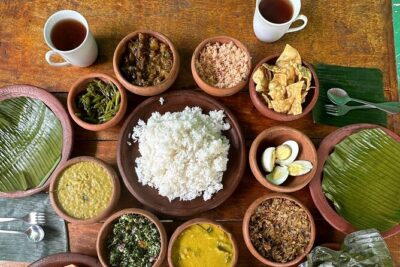 ★ 5.0Organic cooking class sigiriya (kumara & family)From $28650 reviews
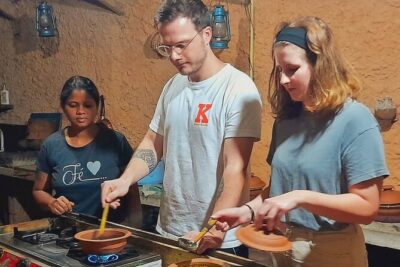 ★ 5.0Kandy Village Cooking ClassFrom $25536 reviews
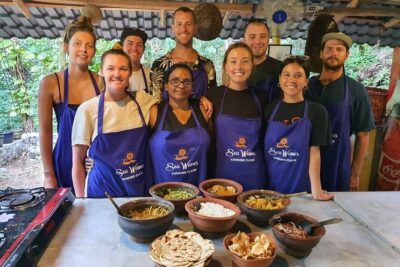 ★ 5.0Sea waves sri lankan cooking classFrom $59467 reviews
 ★ 5.0Ella: Sri Lankan Cooking Class with Neranji at HomestayFrom $19276 reviews
 ★ 5.0Ella : Cooking class with amazing Spice Garden TourFrom $32239 reviews
 ★ 5.0Sajee’s Place Cooking ClassFrom $35237 reviews
 ★ 5.0Colombo Cooking ClassFrom $60151 reviews
Browse the lists this tour appears in