
REVIEW · COOKING CLASSES
Cooking with Arun & Tamil Family
Sri Lanka comes to your hands. In Cooking with Arun and his Tamil family, you step into a warm hospitality kitchen and learn by doing, from prep to plate, in a cozy hands-on setting. It is the kind of evening where the food matters, but so does the laughter and the relaxed pace.
The main thing to keep in mind is simple: this is a small group experience (up to 10 people). That means you will want to check starting times early, especially if your schedule is tight.
In This Review
- Key things I’d plan around before you cook
- Entering the kitchen: what makes this class feel different
- The 3-hour flow, from welcome drink to afternoon tea sweets
- What you cook: Sri Lankan flavors in Tamil style, tailored to you
- Music, Snowy the kitchen helper, and the small-group vibe
- Teaching style: how beginners and experienced cooks both fit in
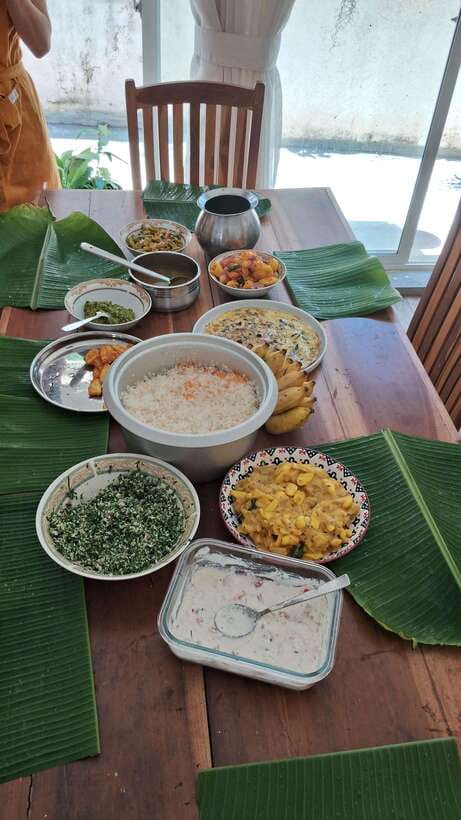
- The meal at the end: dine in, eat what you made
- Take home recipes, plus extra food or a donation option
- Price and value: what $37 covers in real terms
- Who should book this cooking class, and who might skip it
- A few practical tips before you go
- Should you book Cooking with Arun and his Tamil family?
Key things I’d plan around before you cook
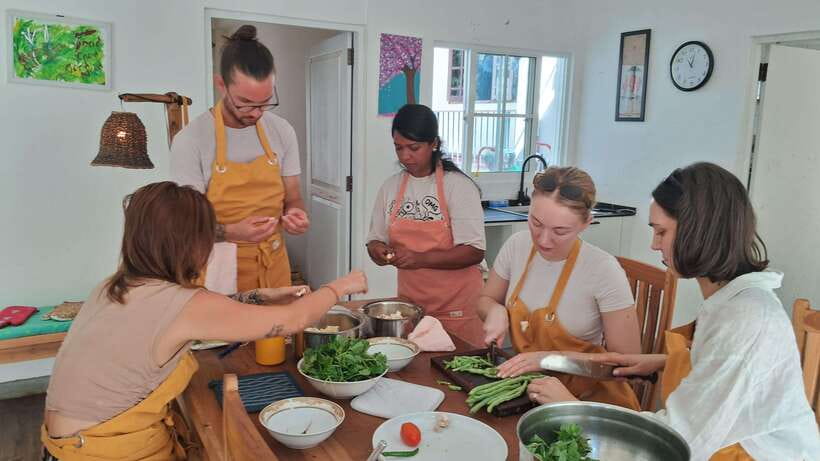
- A 3-hour home-kitchen lesson focused on Sri Lankan flavors in Tamil style, with enough guidance for beginners.
- Tamil family table energy with Arun, his mom, and help from an assistant, so it feels personal, not staged.
- Menu customization based on your preferences, including options for vegetarian and vegan diets.
- Music in the kitchen with guitars and a ukulele, plus a friendly vibe where you can play along if you want.
- A recipe book to take home plus a PDF copy, so the flavors do not end when you leave.
Other Kandy trips readers tend to shortlist
- Kandy Village Cooking Class
★ 5.0 · 536 reviews - Private Traditional Sri Lankan Cooking Class in Kandy with Hotel Transfers
★ 5.0 · 115 reviews - Kandy Cooking Class with Granny
★ 4.9 · 95 reviews - Private Kandy Authentic Cooking Class
★ 5.0 · 65 reviews
Entering the kitchen: what makes this class feel different
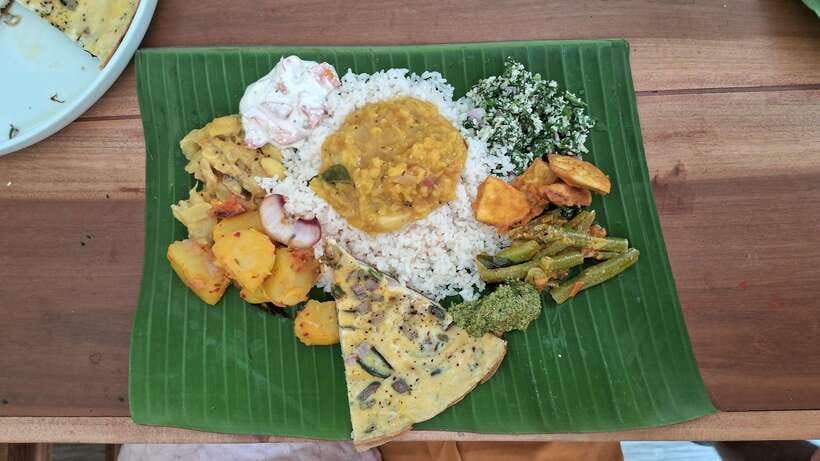
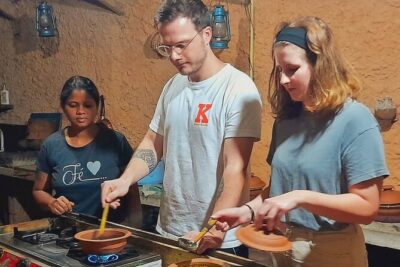
This is not a cooking demo where you watch someone else work. You get pulled into the process, and it stays that way from welcome to dining. Arun and the family run it with a clear goal: make Sri Lankan cooking feel doable, even if you have never chopped an onion without sweating first.
Two things I especially like: the family-style warmth and the practical, step-by-step teaching. The reviews point to the same pattern over and over. People talk about being welcomed from the start, cooking together like family, and leaving with the recipes they actually want to repeat at home. That is the difference between a memorable meal and a meal you can recreate.
One more detail that quietly matters: the class is built around a cozy kitchen atmosphere. When a lesson happens in a real home setup, the rhythm is usually faster to understand, less formal, and easier to ask questions. You feel comfortable enough to say, I do not get this part, and then get shown.
The 3-hour flow, from welcome drink to afternoon tea sweets
The timing is short in a good way. Three hours is just enough to learn, cook, and sit down without feeling like you spent your whole day in an apron. Here is the typical rhythm you should expect.
You start with a welcome drink. It is a small touch, but it helps you settle in. Then you move into the cooking lesson with an English instructor. The family explains what you are doing and guides you through each step, which is ideal if you are new.
From there, you cook and share the experience with the group. The class includes dine-in on what you make, so you get immediate feedback. You see how the flavors come together, not just how the finished food looks.
After the main meal, you get afternoon tea with authentic sweets. This is a strong value add because it rounds out the experience beyond savory dishes. It also gives you time to slow down, talk, and ask follow-up questions while you snack.
At the end, you leave with both a recipe book and a complimentary PDF recipe book. If you like to cook at home, this is where the trip keeps paying off.
What you cook: Sri Lankan flavors in Tamil style, tailored to you
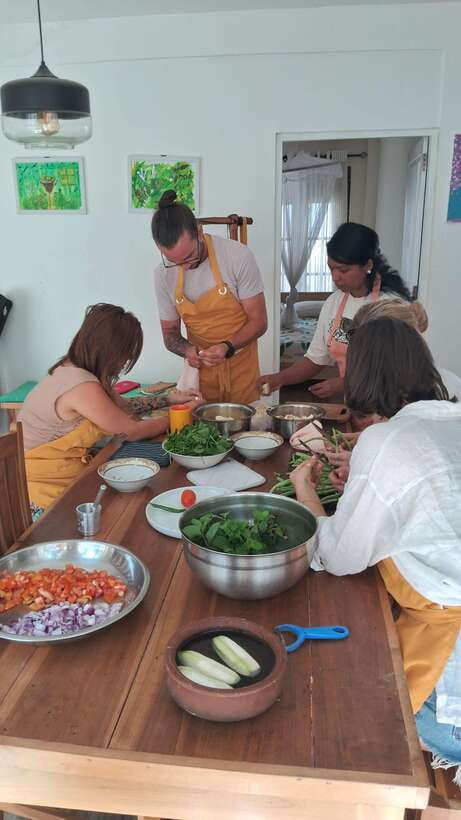
The menu is described as a wide range of Sri Lankan dishes, with options customized to preference. That means the lesson is not locked into one single set of dishes for everyone. If you eat vegetarian, if you avoid certain foods, or if you want milder flavors, you should be able to shape the menu.
The class also specifically mentions you can communicate dietary restrictions or food allergies. In other words, it is not just a generic statement. If you have real needs, you should treat this as a key part of your planning and message them your requirements before you go.
What I like about this approach is that it respects your appetite. Some cooking classes teach you techniques but ignore whether the finished meal fits you. Here, the goal is to get you eating what you cooked, in a style that matches your dietary preferences. That makes the whole lesson more satisfying.
The menu is described as including everything from spicy curries to mild and flavorful options. So even if you love heat, you should still be able to find balance on the plate. If you are not into spice, this structure helps you avoid the common problem where you are forced to eat something that is too intense for you.



Music, Snowy the kitchen helper, and the small-group vibe
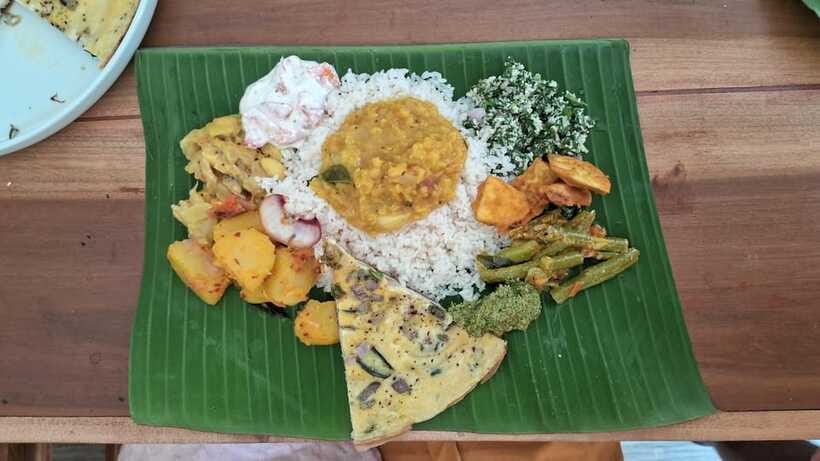
Food lessons often have a personality. This one has a soundtrack.
They mention playing music in the kitchen, and they have guitars and a ukulele ready. If you feel like joining in, you can. If not, you still get the benefit of a relaxed, social atmosphere while you cook. It is a small detail, but it changes the energy of the evening. Instead of everyone silently focusing, the room feels like it is sharing a moment.
Then there is Snowy, the family pet. A cat or dog is not a standard part of a cooking class, so this is one of those details that makes the experience feel truly homey. You might find Snowy watching the chaos while you taste and adjust. It is also a hit for families, and at least one review specifically mentions kindness toward a young child.
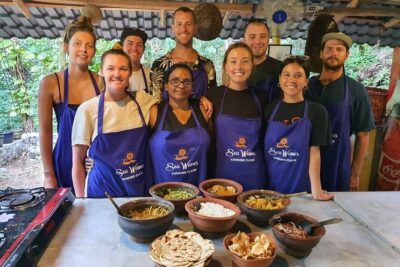
Small group matters here too. With a limit of up to 10 participants, you get more attention. You are not just one number in a larger crowd. You are more likely to get help when you need it, and you get to interact with Arun and his family during cooking and dining.
Teaching style: how beginners and experienced cooks both fit in
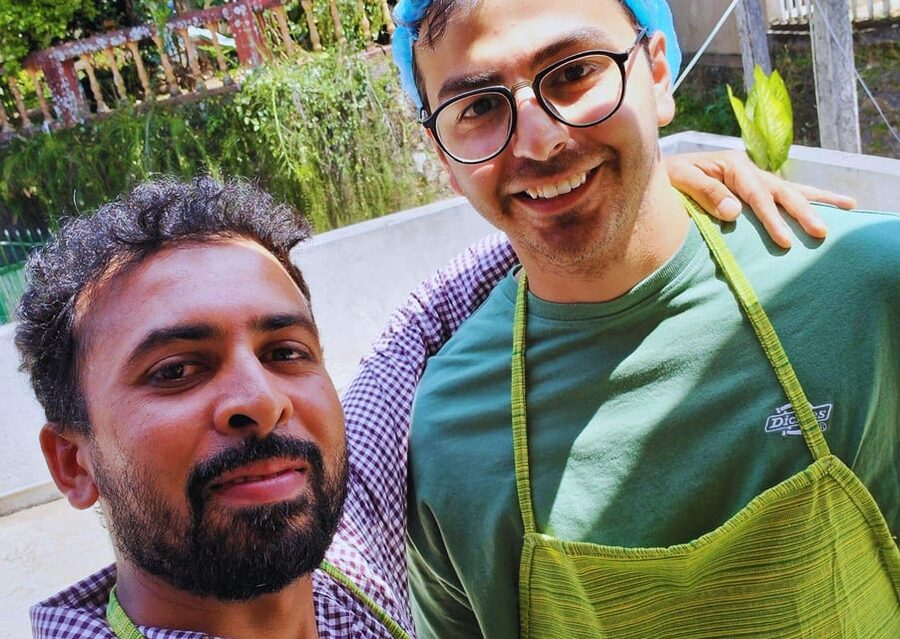
The class is designed so you do not need to arrive with cooking confidence. They emphasize that cooking is for everyone, and the teaching is guided step-by-step. That is a big deal, because the hardest part of most home-cooking lessons is knowing what to do first.
In practice, this kind of structure usually means you get clarity on prep and technique as you go. You learn what ingredients are doing, not just when to add them. You also learn how the family thinks about flavors: balancing spice, salt, and freshness to match the dish.
Another plus: English instruction. The lesson is in English, so you can ask questions and actually understand the reasoning behind each step. If you have ever taken a tour where the cooking happens but you cannot follow the explanations, you will appreciate this.
And if you already cook at home, this kind of lesson still works. You are not just repeating a script. You get exposed to Sri Lankan techniques and combinations in a home context, which is often easier to replicate than a restaurant-style approach.
The meal at the end: dine in, eat what you made
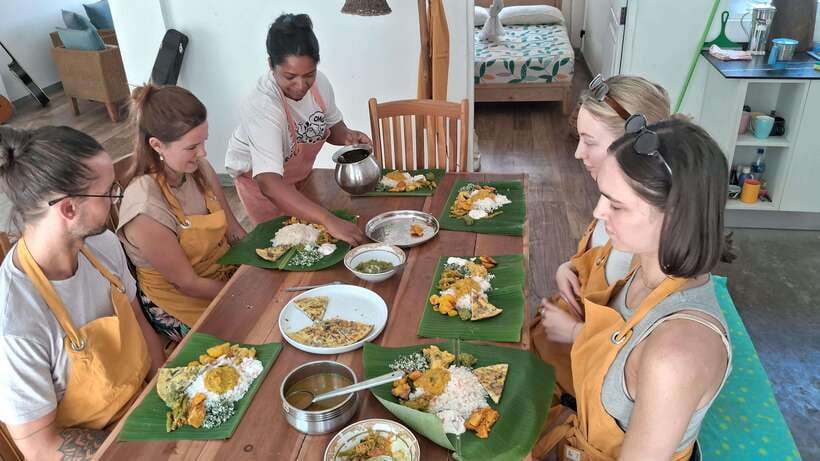
The best part of any cooking lesson is the moment you sit down and taste your own work. This one includes dine-in, so the meal is part of the program, not an afterthought.
You also get afternoon tea with authentic sweets after the savory part. That means the experience has a natural arc, food first, then a calmer snack segment. It is a good time to compare notes with other people and ask how to adjust seasoning for your own kitchen.
One thing the reviews strongly suggest: the food is delicious and the family makes you feel comfortable while you eat it. That matters because a cooking class can still be fun even if the food is average, but this sounds like it lands well on flavor. When the meal is good, you take the lesson more seriously, and you remember more.
Take home recipes, plus extra food or a donation option
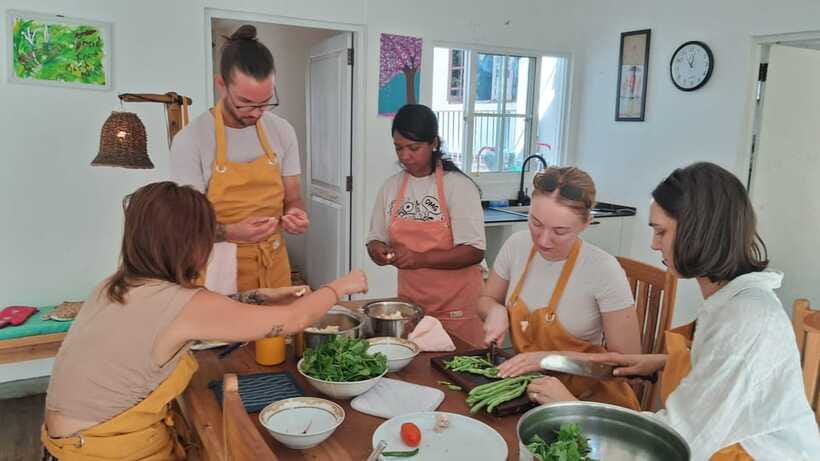
You leave with more than memories.
You get a recipe book and a PDF recipe book. Even if you do not cook everything, you can pick the dishes that match your tastes and lifestyle. The PDF matters because it is easy to save on your phone or share with someone back home.
You can also take home if more food is made, or donate to disadvantaged people. That is a thoughtful touch because it turns surplus food into something useful. It also signals that the family treats meals as more than entertainment.
If you are the type who hates wasting food, this detail will land well. If you are traveling light, you might still plan to eat everything on site, but it is nice to know you have options.
Price and value: what $37 covers in real terms
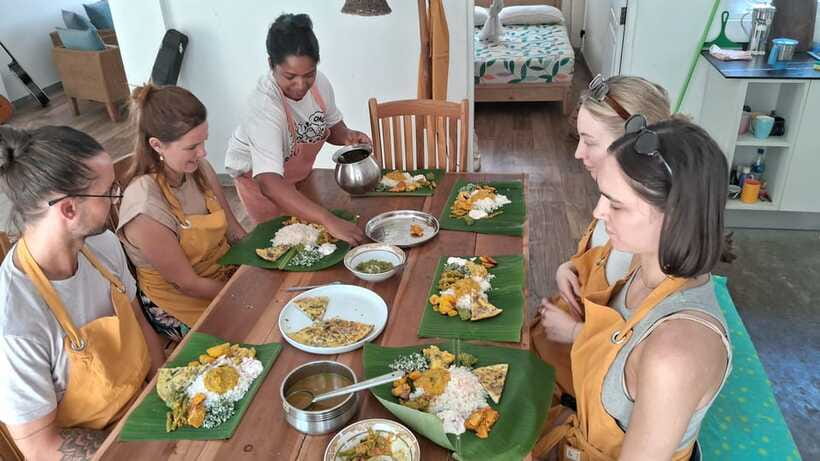
At $37 per person for a 3-hour experience, the value depends on what you compare it to.
Here, you are getting a full activity that includes:
- a welcome drink
- a hands-on cooking lesson
- dine-in with the food you cook
- afternoon tea with authentic sweets
- a recipe book and a complimentary PDF recipe book
- the option to take home extra food or donate
That is a lot packed into a half-afternoon. You are not just paying for ingredients. You are paying for instruction, time, and the hospitality of Arun and his family in their own home.
It is also small group limited to 10 participants, which tends to justify the price because you get more attention than a larger class. If you love food tours that are practical rather than just scenic, this is the kind of price tag that makes sense. You walk away with skills plus recipes.
If you only want one bite-sized snack and a quick look at how someone cooks, you might feel this is too much. But if you want to actually make dishes and eat them, $37 starts to feel fair.
Who should book this cooking class, and who might skip it
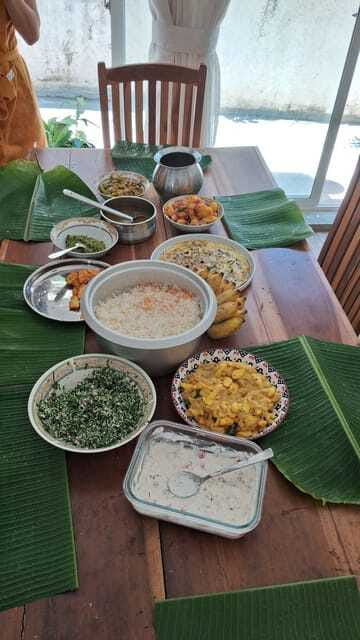
I think this fits best for:
- food lovers who want to cook, not just watch
- travelers who like authentic home-style experiences over formal restaurant setups
- people who want options for vegetarian or vegan diets
- families, since they mention being kind to a child
It might be less ideal if:
- you dislike hands-on activities and prefer purely observational experiences
- you are extremely sensitive to the close quarters typical of a cozy home kitchen
- you need an extremely long, multi-course experience, since the lesson is intentionally only 3 hours
A few practical tips before you go
You will have the best experience if you:
- tell the instructor about your dietary preferences and any food allergies ahead of time
- come ready to participate, tasting and adjusting as you cook
- plan for a relaxed pace, this is family-driven and music-friendly
- save the PDF recipe book, because you will actually use it later
Also, English instruction helps. If English is your comfort zone, you can ask for clarification instead of guessing.
Should you book Cooking with Arun and his Tamil family?
Yes, if you want a Sri Lanka cooking experience that feels personal, practical, and warm. This one is built around hands-on cooking, a small group limit, and real family hospitality, not a scripted performance. Add the music, Snowy the pet, and the take-home recipe options, and you get more than a meal. You get skills and a recipe trail you can follow after the trip.
If you are trying to choose between a quick food tasting and a lesson, pick this. The time is short, but the payoff is real: you cook, you eat, and you leave with the instructions to do it again at home.
More Cooking Classes in Kandy
More Tour Reviews in Kandy
Still browsing Kandy? Start here
- Udawalawe National Park Private Full-Day Safari★ 5.0 · 3 reviews
- Wasgamuwa National Park Safari from Kandy★ 5.0 · 3 reviews
- Private Sri Lanka Tour & Hike Experience to Ambuluwawa Tower★ 5.0 · 3 reviews
- Kandy Instagram Tour: Most Famous Spots (Private & All-Inclusive)★ 5.0 · 3 reviews
- Kandy to Ella★ 5.0 · 3 reviews
Cooking Classes, compared.
 ★ 4.9Ella: Traditional Sri Lankan Cooking ClassFrom $19788 reviews
 ★ 5.0Organic cooking class sigiriya (kumara & family)From $28650 reviews
 ★ 5.0Kandy Village Cooking ClassFrom $25536 reviews
 ★ 5.0Sea waves sri lankan cooking classFrom $59467 reviews
 ★ 5.0Ella: Sri Lankan Cooking Class with Neranji at HomestayFrom $19276 reviews
 ★ 5.0Ella : Cooking class with amazing Spice Garden TourFrom $32239 reviews
 ★ 5.0Sajee’s Place Cooking ClassFrom $35237 reviews
 ★ 5.0Colombo Cooking ClassFrom $60151 reviews
Browse the lists this tour appears in