
REVIEW · SRI LANKAN COOKING CLASSES
Nilaveli: Sri Lankan Cooking Class with a Local Family
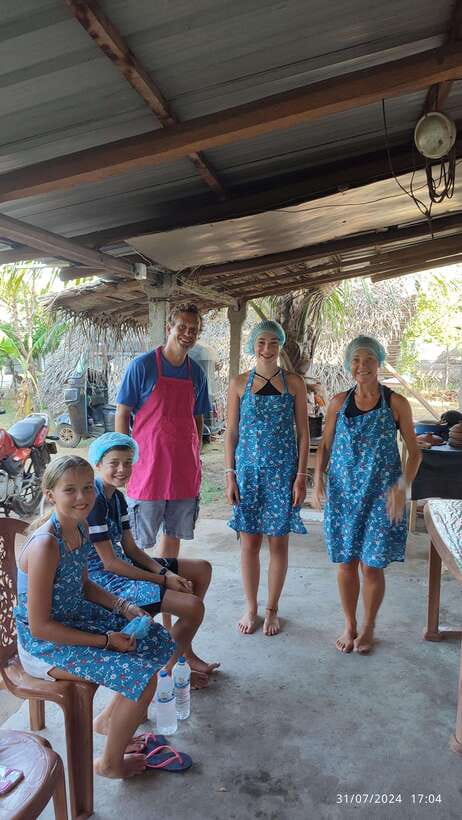
Cooking your own curry beats watching a demo. In Nilaveli, you learn Sri Lankan home cooking in Nimali Dinushika’s family setting, using firewood and wood stoves and turning ingredients into full meals.
I especially like how personal this class feels, not like a factory tour, and how you get to help choose what you cook. One thing to plan for: fish, chicken curry, and seafood can cost extra per person on top of the $22 base price.
In This Review
- Key things to know before you cook
- Cooking With Nimali Dinushika in Nilaveli’s Family Kitchen
- Meeting Point That’s Easy to Find Once You’re on Site
- Your 5-Hour Class: From Ingredients to a Full Meal
- What You’ll Cook: Hoppers, String Hoppers, Pittu, Roti, and Rice
- Spice and Curry Powder Lessons That Actually Help You Cook Later
- Firewood and Wood Stoves: Why the Method Changes the Food
- Choosing Your Dishes: Vegetarian Options and the Seafood Add-On
- The Meal at the End: Sit Down and Enjoy What You Made
- Practical Tips: What to Bring and How to Dress
- Who This Cooking Class Suits Best in Eastern Sri Lanka
- Value Check: Is $22 Worth It?
- Should You Book Cook With Nimali in Nilaveli?
- FAQ
- What is the duration of the Nilaveli cooking class?
- Where do I meet for the class?
- How much does it cost?
- What dishes will I learn to cook?
- Is hotel pickup or drop-off included?
- Can I request vegetarian options?
- Are fish, chicken, or seafood included in the base price?
- What languages will the instructor use?
- What should I bring and wear?
- Is free cancellation available?
Key things to know before you cook
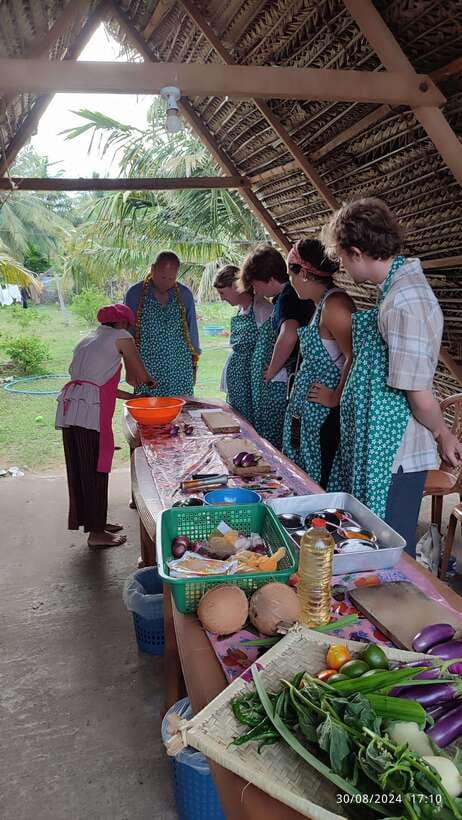
- Firewood, wood stoves, and real kitchen rhythm: You cook the traditional way, not on a modern hotplate.
- A menu you can steer: You can request options, including vegetarian choices, and the family works with those preferences.
- Hands-on Sri Lankan favorites: Hoppers, string hoppers, pittu, roti, and milk rice are part of the learning mix.
- Spice know-how, not just recipes: You learn about ingredients, curry powder, and how sweets fit into meals.
- A full sit-down meal at the end: You eat what you helped make, in a family dining setting.
- A few add-on charges to understand: Fish/chicken curry and seafood have extra per-person pricing.
Still narrowing it down? These Trikunamalaya trips held up well.
- Nilaveli: Sri Lankan Cooking Class with a Local Family
★ 5.0 · 16 reviews
Cooking With Nimali Dinushika in Nilaveli’s Family Kitchen
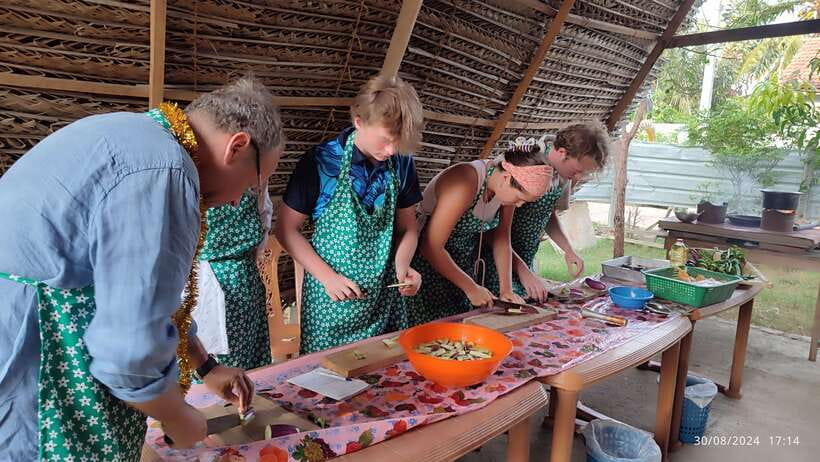
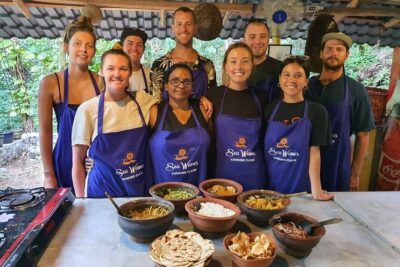
Nilaveli is a great place to learn Sri Lankan food because the cooking is practical and grounded in daily life. This class centers on a local home setting where Nimali Dinushika and her family guide you through the cooking process. The emphasis is on making food that tastes right, not just following steps.
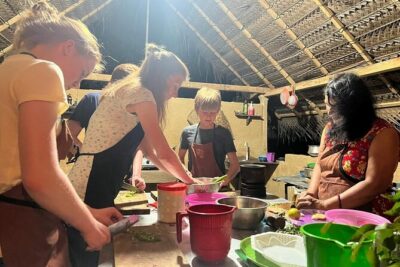
What I like most is the warmth. The family welcome is part of the experience, and you’re not stuck standing around waiting for someone else to do the work. You’ll likely share the kitchen with other people too, which makes the whole thing feel social and easy.
A good consideration before you go: this is not a “hotel-meeting” tour. There’s no hotel pickup drop-off, so you’ll need to make your own way to the meeting point area. The good news is that it’s straightforward, with multiple nearby outlets listed at the same location.
Meeting Point That’s Easy to Find Once You’re on Site
You meet at the Pigeon Island Tours area, in the same place as The Rice and Curry seafood spot, where the class sign for Cook with Nimali is associated. That matters because cooking classes are all about timing, and this one runs about 5 hours total.
The class is also listed with English and Singhalese as the instructor languages. If you’re an English speaker, you should be comfortable following along. If you have dietary restrictions or allergies, you’ll want to mention them in advance so the family can plan accordingly.
Your 5-Hour Class: From Ingredients to a Full Meal
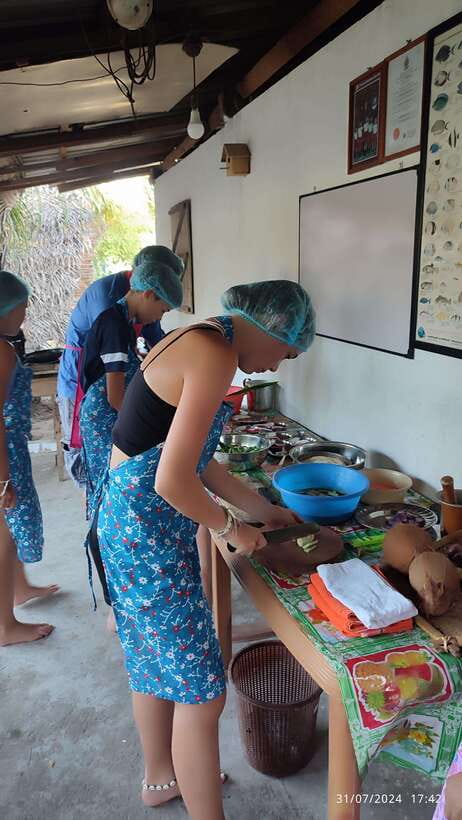
The flow of the day is simple, and that’s part of the appeal. You start with meeting Nimali and her family, then you spend the bulk of your time cooking. By the end, you sit down to eat the dishes you made.
Based on what’s taught and how the time is described, expect something like this:
- Welcome and food talk: You learn what ingredients and spices are involved in Sri Lankan cooking and how the family approaches flavor.
- Hands-on cooking sessions: You work on multiple dishes, not just one curry.
- Sweets and spice lessons: You also learn how sweets fit in, plus the basics behind curry powder.
- Meal time: You eat together, in a family dining setting.
This isn’t one of those classes where you stir one pot and get a photo. You’re meant to actively participate, and you’ll also get your own personal cooking equipment.
What You’ll Cook: Hoppers, String Hoppers, Pittu, Roti, and Rice
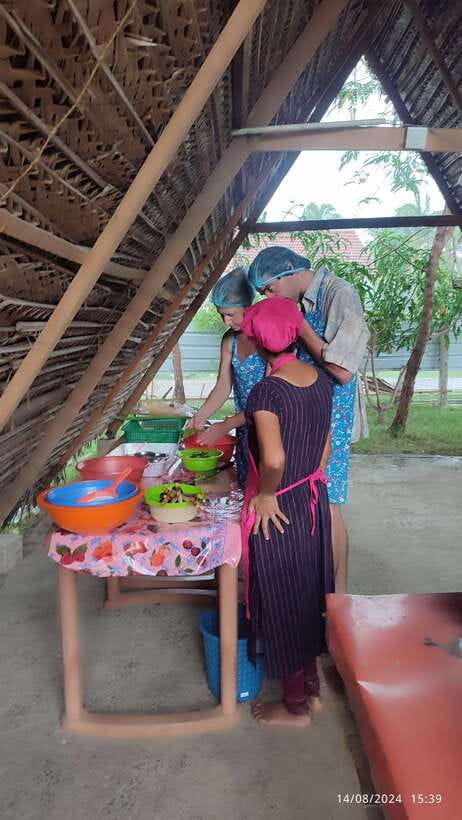
The headline dishes here are classic Sri Lankan comfort food. The course includes a spread of items such as rice and curry, string hoppers, hoppers, pittu, roti, and milk rice. If you’re trying to understand Sri Lankan food beyond the “curry word,” this mix helps a lot.
Here’s how those dishes matter, in real life terms:
Rice and curry
This is the foundation. You learn how curry works in the Sri Lankan style, using spices and building flavors that are meant to go with rice. It’s the anchor dish that gives you the flavor logic for everything else.
String hoppers and hoppers
These are rice-based, steam-made items that show up often in Sri Lankan meals. String hoppers are shaped into fine threads, while hoppers are a different form of hopper batter cooked until it has the right texture. Learning them in a home kitchen is helpful because the technique matters more than the ingredients.
Pittu and roti
Pittu brings another texture, often associated with steam and rice flour work. Roti is a familiar word, but Sri Lankan versions can feel distinct depending on how the batter dough is handled. Either way, you get practical experience with food textures, not just sauces.
Milk rice
This one shifts from savory to comforting and sweet-leaning flavor. You see how Sri Lankan meals can move beyond a single curry profile and still feel cohesive.
From the class experience described, you may also see additional curry variations made alongside your main set. The key point is variety: you come away with a “menu brain” for Sri Lanka, not just one repeatable dish.
Spice and Curry Powder Lessons That Actually Help You Cook Later
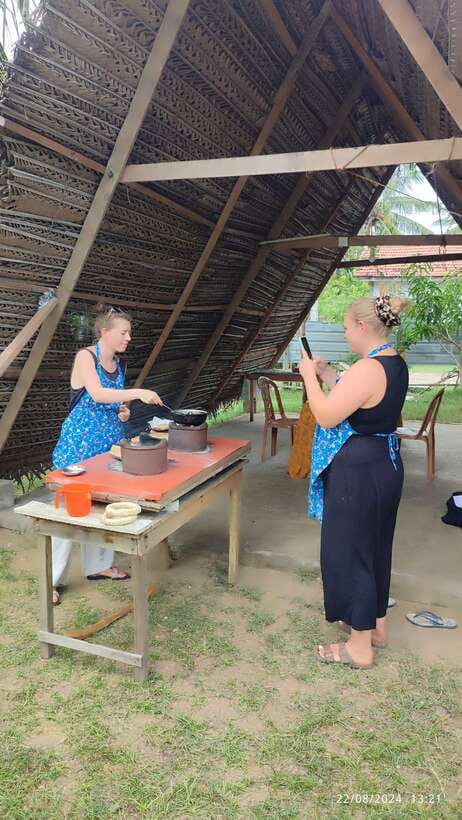
If you like cooking after your trip, this is the part you should pay attention to. The class doesn’t treat curry powder as a mysterious jar. You learn about the ingredients and spices used in Sri Lankan cuisine, and you’re taught how to make curry powder.
Why that’s valuable: store-bought spice mixes can work, but they often flatten the flavor. When you understand what’s inside the mix and how it’s used, you can adapt later. Even if you never build the exact same balance at home, you’ll be able to make a curry that tastes closer to what you ate.
You also learn how to make Sri Lankan sweets as part of the course. That’s important because Sri Lankan sweets are not just a dessert afterthought. They often show the sweetness-and-spice balance people enjoy throughout meals, and it helps you understand local tastes more fully.
Firewood and Wood Stoves: Why the Method Changes the Food
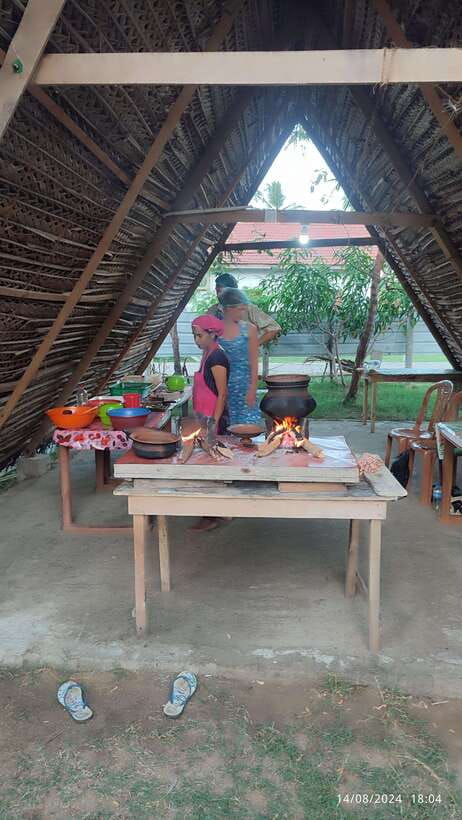
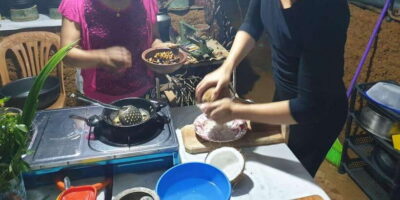
This class uses firewood and wood stoves to prepare meals the traditional way. That detail isn’t just cultural window dressing. Cooking over wood heat can change how food responds, how fast it cooks, and how you manage the flame.
You’re also working in a real home setting, not a showroom kitchen. That means the rhythm of cooking is closer to what you’d do if you lived nearby. You’ll likely understand why certain steps come in a particular order, especially when multiple dishes are happening over time.
If you’re the kind of traveler who enjoys food technique, this part will feel satisfying. And even if you just want to eat well, wood-stove cooking has a distinct charm, because you can smell the process.
Choosing Your Dishes: Vegetarian Options and the Seafood Add-On
One of the best practical features is that you can request what you want to cook. The class is described as asking your preferences ahead of time, and the family works to include those choices. That’s where vegetarian travelers often feel most comfortable.
Vegetarian choices are explicitly part of the experience, and you can also choose meat or seafood, but read the pricing carefully:
- If you want fish or chicken curry, there’s an additional cost of 2000 LKR per person.
- If you want seafood dishes, there’s an extra price depending on what you request.
So how do you judge value? The $22 covers the core cooking experience and ingredient setup, including rice and curry style dishes and key items like string hoppers and sweets. The add-ons are basically an ingredient upcharge. If you stick to the included options, you’re paying for hands-on food plus a full meal. If you want seafood or chicken, you’ll likely spend more, but you’ll also get a menu closer to your personal tastes.
The Meal at the End: Sit Down and Enjoy What You Made
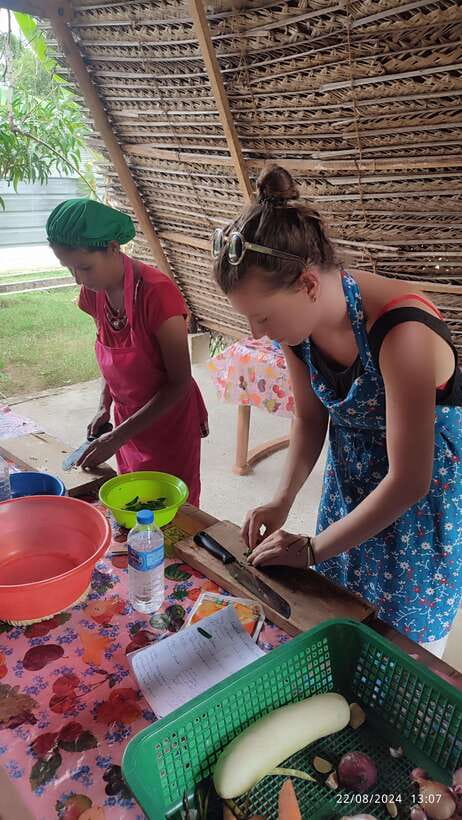
Cooking is only half the fun. The other half is eating the results with the family-style dining approach. The class duration is listed as 5 hours, with a breakdown described as roughly 4 hours of cooking and 1 hour of eating.
This kind of meal matters because you can finally connect what you did in the kitchen to what ended up on the table. It also gives you the chance to taste combinations you might not assemble on your own.
In experiences described, highlights included dishes like sambol variations, curry, and a traditional dessert called halapa, often enjoyed with tea. Those details give you a sense of what the “end result” feels like, cozy and fully Sri Lankan rather than a generic tasting menu.
Practical Tips: What to Bring and How to Dress
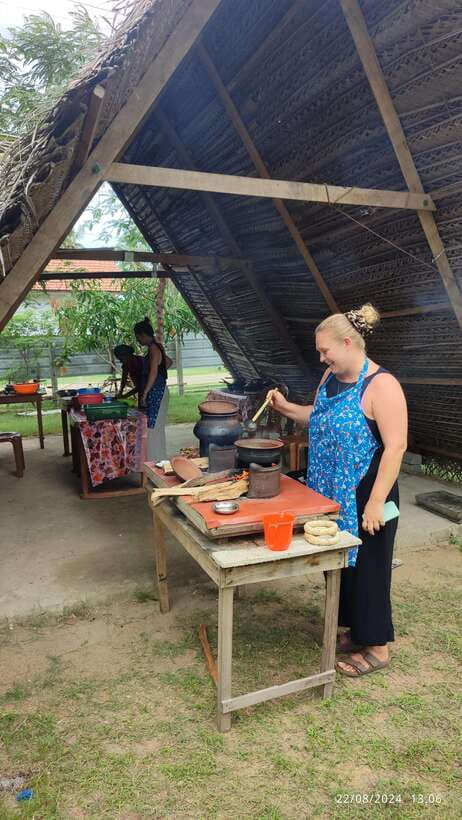
This class runs outdoors-to-indoor in a traditional home setting, and you’ll be cooking. Pack for comfort over style:
- Hat
- Sunscreen
- Comfortable clothes
Wear clothes that can handle heat and spice smells. Also, be ready for a hands-on session. This is a cooking class where your hands and sleeves matter.
On the rules side:
- Pets are not allowed.
- Smoking is not allowed.
- Alcohol and drugs are not allowed.
If you’re traveling with kids, note the age limit: it’s not suitable for children under 2 years. Also, if you have food allergies, this is listed as not suitable for people with allergies, so plan carefully.
Who This Cooking Class Suits Best in Eastern Sri Lanka
This experience is a strong fit if you want food that feels lived-in. It’s ideal for people who want to taste Sri Lanka through technique, not just through restaurants.
It’s also a good match for:
- Couples and small groups who enjoy shared activities
- Food-focused travelers who want to learn curry powder basics
- Travelers who like meeting a family and hearing about daily life through cooking
If you want a fast, check-the-box activity, this might feel slower because you’re actually making multiple dishes. But if your travel style includes hands-on learning, this class hits the sweet spot.
Value Check: Is $22 Worth It?
At $22 per person for a 5-hour cooking class that includes ingredients, recipes, equipment, water and refreshment, and dining, the value is solid. You’re not only getting instruction. You’re getting a real meal and multiple dishes you can understand, name, and repeat.
The only real financial variable is the add-on policy for fish/chicken curry and seafood. If you’re someone who only wants vegetarian dishes or the included menu options, you can likely control the budget easily. If you’re set on seafood, read the extra pricing situation before you decide, since it depends on what you request.
In practical terms: you’re paying for local instruction plus the cost and effort of making food for a session. That’s why it tends to feel more memorable than a quick restaurant lunch.
Should You Book Cook With Nimali in Nilaveli?
Yes, I’d book it if you want a home-style Sri Lankan cooking experience in Nilaveli with hands-on participation and a menu that covers more than one curry. The family connection, the wood-stove cooking, and the variety of dishes make it worth your time.
Book with extra planning if you’re bringing a person with food allergies, or if you’re planning on fish, chicken, or seafood and want to budget for add-ons. If you have dietary restrictions, message in advance so the family can guide you toward workable options.
If your ideal travel souvenir is not a photo but a recipe you can cook at home, this is one of the better ways to get there.
FAQ
What is the duration of the Nilaveli cooking class?
The class runs for 5 hours.
Where do I meet for the class?
You meet at Pigeon Island Tours, in the same meeting point area as The Rice and Curry seafood, where the Cook with Nimali class is associated.
How much does it cost?
The price is listed as $22 per person.
What dishes will I learn to cook?
You’ll cook a variety of Sri Lankan dishes such as rice and curry, string hoppers, hoppers, pittu, rotti, and milk rice. You also learn sweets and curry powder.
Is hotel pickup or drop-off included?
No, hotel pickup drop-off is not included.
Can I request vegetarian options?
Yes. The experience notes that you can choose what to cook, including vegetarian preferences.
Are fish, chicken, or seafood included in the base price?
Fish or chicken curry costs extra at 2000 LKR per person. Seafood dishes have an extra price depending on what you request.
What languages will the instructor use?
The instructor teaches in English and Singhalese.
What should I bring and wear?
Bring a hat and sunscreen, and wear comfortable clothes suitable for cooking.
Is free cancellation available?
Yes. You can cancel up to 24 hours in advance for a full refund.
More Tour Reviews in Trikunamalaya
Still browsing Trikunamalaya? Start here
- Nilaveli: Sri Lankan Cooking Class with a Local Family★ 5.0 · 16 reviews
Sri Lankan Cooking Classes, compared.
 ★ 4.9Ella: Traditional Sri Lankan Cooking ClassFrom $19788 reviews
 ★ 5.0Organic cooking class sigiriya (kumara & family)From $28650 reviews
 ★ 5.0Kandy Village Cooking ClassFrom $25536 reviews
 ★ 5.0Sea waves sri lankan cooking classFrom $59467 reviews
 ★ 5.0Ella: Sri Lankan Cooking Class with Neranji at HomestayFrom $19276 reviews
 ★ 5.0Ella : Cooking class with amazing Spice Garden TourFrom $32239 reviews
 ★ 5.0Sajee’s Place Cooking ClassFrom $35237 reviews
 ★ 5.0Colombo Cooking ClassFrom $60151 reviews
Browse the lists this tour appears in