
REVIEW · SRI LANKAN COOKING CLASSES
Sri Lanka: Cooking Class
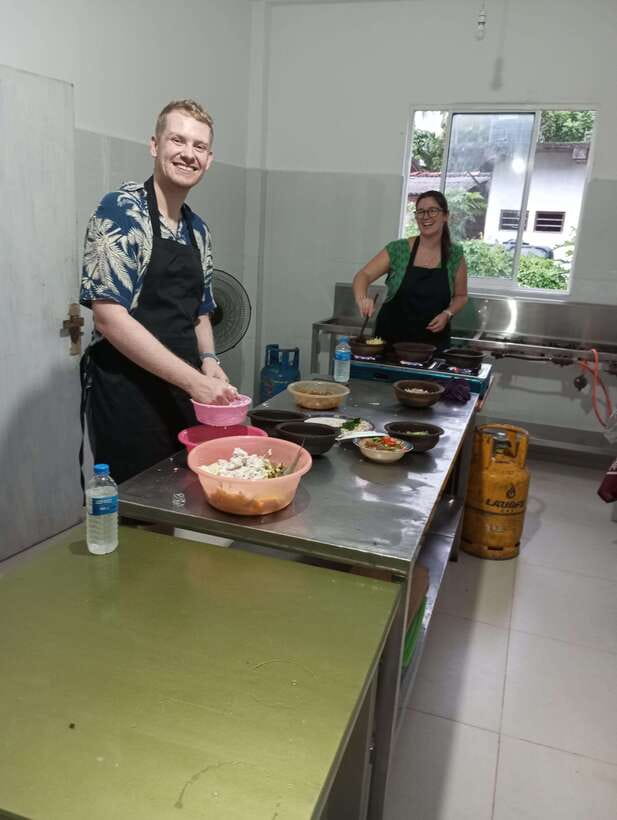
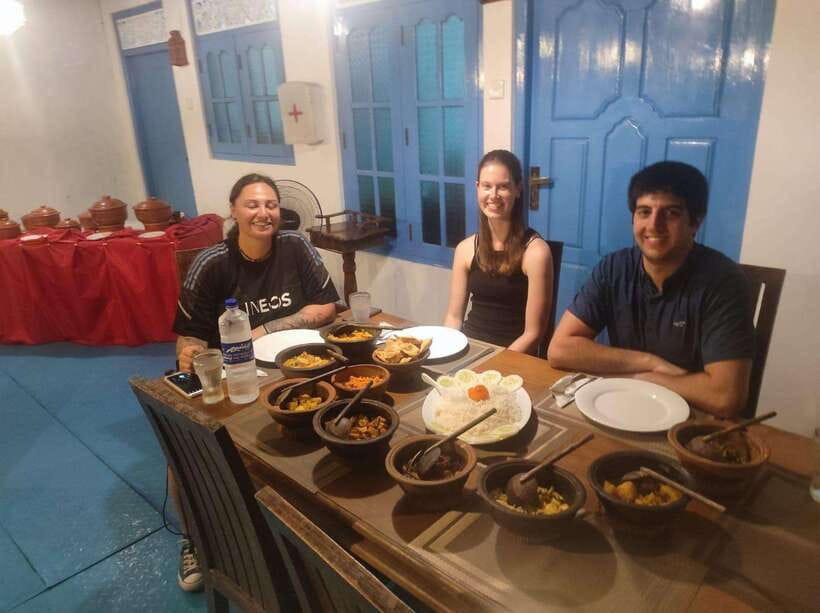
You get the story behind Sri Lankan flavor fast. This hands-on cooking class in Kotapola turns ingredients like rice, coconut, herbs, and fish into something you can actually cook, not just taste. I especially love the way the session connects spices and cuisine history to what’s happening at your cutting board, and you even sit down with your hosts to eat your results. One thing to keep in mind: if you’re sensitive to heat, you’ll want to clearly request a less spicy menu early, because spice level can be intense.
I also like the practical setup, including hotel pickup and drop-off by tuk tuk and a guide in English. The class runs for about 3 hours, so it’s long enough to learn multiple dishes and short enough to fit cleanly into a day. A possible drawback is that the activity information is a bit mixed on mobility needs, so you should check with the provider if you have limited mobility.
In This Review
- Key things to know before you go
- Where Kotapola cooking lessons fit in Sri Lanka
- Pickup, timing, and how the session runs
- The cooking approach: hands-on, guided, and very spice-focused
- A simple safety rule that actually matters
- What you cook, and how many dishes to expect
- Sri Lanka’s culinary influences, explained while you cook
- Sitting down with your hosts: tasting, pacing, and conversation
- The spice question: what to do if you want less heat
- How the English guide helps (and why it changes the value)
- Price and value: is $50 per person worth it?
- Who this class suits best
- Small practical tips to get the most out of your class
- Should you book this Sri Lanka cooking class?
Key things to know before you go
- You’ll cook multiple dishes during the session, with some menus reaching 7 to 8 dishes.
- Spices are the lesson, not an afterthought, and the class explains how combinations shape Sri Lankan food.
- You eat with your hosts, so your meal comes with context, not just a plate.
- Pickup is part of the experience, including tuk tuk transfers from your hotel or villa.
- Ask about spice and diet upfront, since at least one group requested less spice and found the heat still too strong.
Still narrowing it down? These Mirissa trips held up well.
- From Mirissa / Galle / Tangalle to Yala Safari & Drop- Ella
★ 4.6 · 124 reviews - Mirissa: Snorkeling Experience with Turtles
★ 4.5 · 123 reviews - YALA SAFARI TOUR from TANGALLE/HIRIKETIYA/MIRISSA/GALLE
★ 4.8 · 121 reviews - From Mirissa/Galle/Hikkaduwa: Udawalawa National Park Safari
★ 4.7 · 106 reviews
Where Kotapola cooking lessons fit in Sri Lanka
Kotapola is a good base for travelers who want to taste Sri Lanka beyond the standard restaurant run. This class is designed for people who like learning by doing, not people who just want a photo and a quick bite. In about 3 hours, you get guidance, a kitchen rhythm to follow, and the chance to compare what you cooked to what Sri Lankan home cooking feels like.
Sri Lankan cuisine is often described through its key ingredients: rice, coconut, herbs and spices, vegetables, and seafood. What makes this class interesting is that it treats those ingredients as a system. You’re not only chopping and stirring, you’re learning why certain combinations work together, and how spice changes the final character of a dish.
The pace is casual, family-style, and centered on sharing. That matters because the best part of this experience is not just the meal, it’s the conversation around the meal. You get to know your hosts and, in a practical way, you see how food and daily life connect.
Pickup, timing, and how the session runs
You’ll get hotel pickup and drop-off from around the Kotapola area, and the transfer is done by tuk tuk before the class. That’s handy if you’re staying in a villa or guesthouse where you don’t want to deal with local logistics.
The tour duration is 3 hours, and the schedule depends on availability and starting times. Since the class is short, the flow matters. Plan for a tight but not rushed session: you’ll likely move between learning moments and active cooking. The goal is to have you cooking enough to feel confident when you leave.
What’s included here also helps you focus. You get a professional English-speaking guide, bottled water, and entrance fees to any sites connected to the experience. Personal expenses are not included, so if you want extra drinks or snacks outside the class setup, keep that in mind.
The cooking approach: hands-on, guided, and very spice-focused
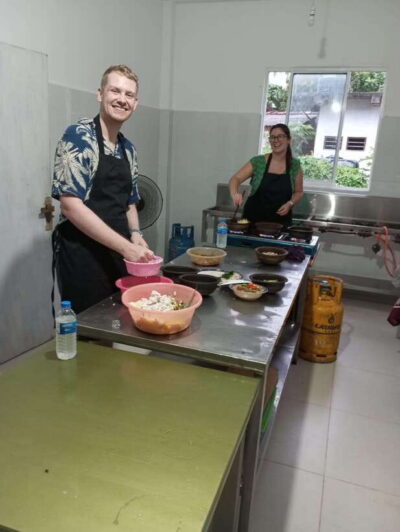
This is a true cooking class, meaning you’re not watching from the sidelines. The biggest signal is the structure: you’ll learn how to cook traditional Sri Lankan dishes using guidance on technique and ingredients.
In practice, that usually means three things:
- You learn what each spice is doing in the dish (flavor, aroma, and heat).
- You learn how to balance herbs and spice mixes with staples like rice and coconut.
- You cook the recipe in the same order your hosts would, so the steps actually make sense.
Sri Lankan food is known for strong flavor combinations. Coconut is used across sweet and savory, rice is the backbone for meals, and seafood can appear fresh or in preserved forms. The class also frames Sri Lankan cuisine as a product of history, including outside trade routes that brought new food items and cultural influences that blended with local traditions.
If you like learning “why” as much as “how,” you’ll probably feel at home here. That kind of explanation helps you recreate dishes later, not just memorize steps.


A simple safety rule that actually matters
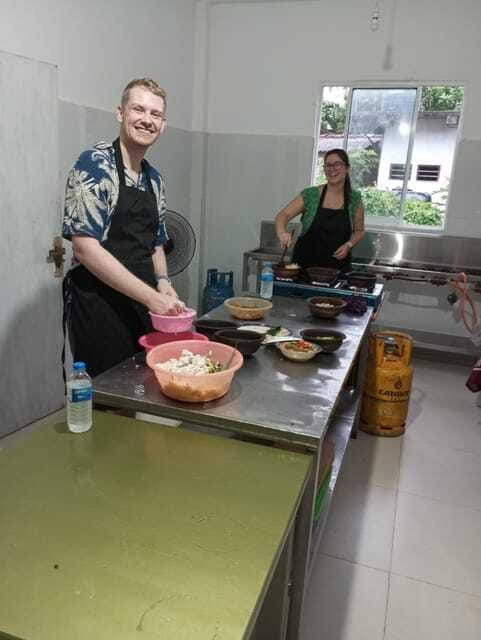
The provider’s guidance includes a clear request: don’t come drinking. This is a working kitchen with hot tools and sharp ingredients, so it’s not the kind of environment where alcohol is a good idea. It’s also about safety for the hosts and the guests during cooking.
You’ll also be asked to wear simple clothing that helps you work well. That usually means wear something you can roll your sleeves up in, and that won’t feel precious when it gets splashed or smells like spices afterward. If you want to take photos, bring a phone you’re okay with getting a little curry-scented.
What you cook, and how many dishes to expect
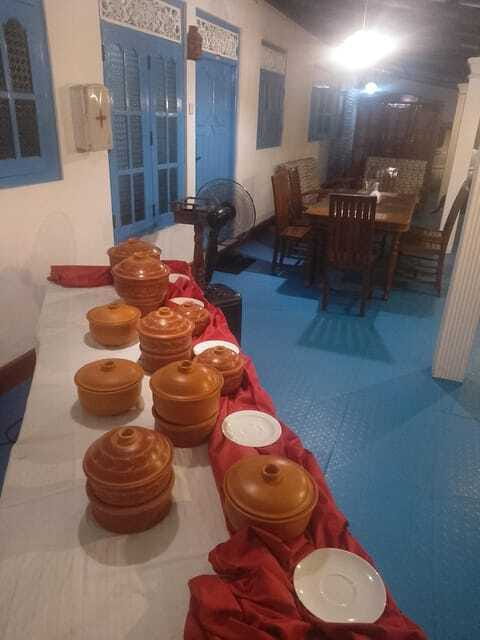
The class is designed so you can make multiple dishes in one session. Depending on the group and menu, some classes cover 7 different dishes in about 1.5 hours, while others mention 8 different dishes. That variation is useful to know: it means the provider may scale the menu complexity and number of dishes based on timing and group size.
Even with that variation, the core themes stay consistent:
- You’ll cook with rice and coconut as recurring foundations.
- You’ll work with vegetables and meat as part of the menu (the class specifically mentions cooking different kinds of vegetables and meat).
- You’ll see seafood reflected as a key role in Sri Lankan cuisine, though the exact dish list can vary.
If your goal is to come away with a real toolkit for Sri Lankan home cooking, multiple dishes are a plus. You also get practice adjusting spice and seasoning across different recipes, which is where learning matters most.
Sri Lanka’s culinary influences, explained while you cook
One reason cooking classes can feel shallow is when the “history” part is just a few facts. Here, the history is tied to what’s in the dish. Sri Lanka sits in the story of historic oceanic trade routes, and contact with traders is part of why some ingredients and methods entered local cooking.
That context helps you understand why Sri Lankan cuisine feels both local and connected. For example:
- The cooking uses traditional local staples, but it also reflects outside influence.
- The spice culture is not random. It grew into a system where herbs, spice blends, fish, vegetables, rice, and fruit each play a role.
As you cook, you’re learning how spice mixes act like a signature. The class emphasizes the importance of spices, so you can expect guidance on spice combinations and timing, not just taste-testing at the end.
Sitting down with your hosts: tasting, pacing, and conversation
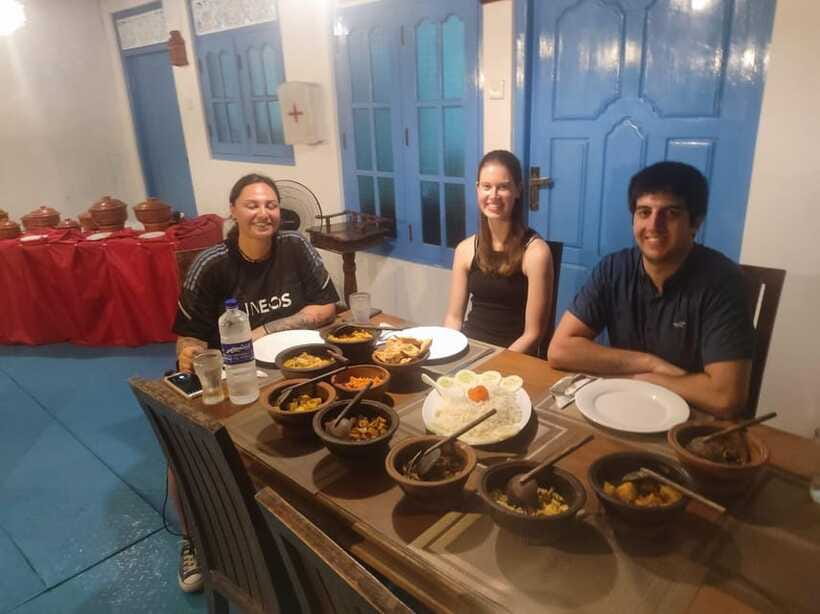
A big highlight is simple: you savor the flavors of your creations as you dine with your hosts. This is where the class turns from instruction into experience.
Eating together matters for three reasons:
- You can compare your cooking decisions with your hosts’ explanations.
- You learn what dish order and portioning feel like in a home setting.
- You get human context, including what daily life in Sri Lanka looks like.
In one session, the host also asked about diet and preferences before the activity, and then prepared the kitchen accordingly. That’s a strong sign that you can communicate needs early and get a menu that works better for you.
The spice question: what to do if you want less heat
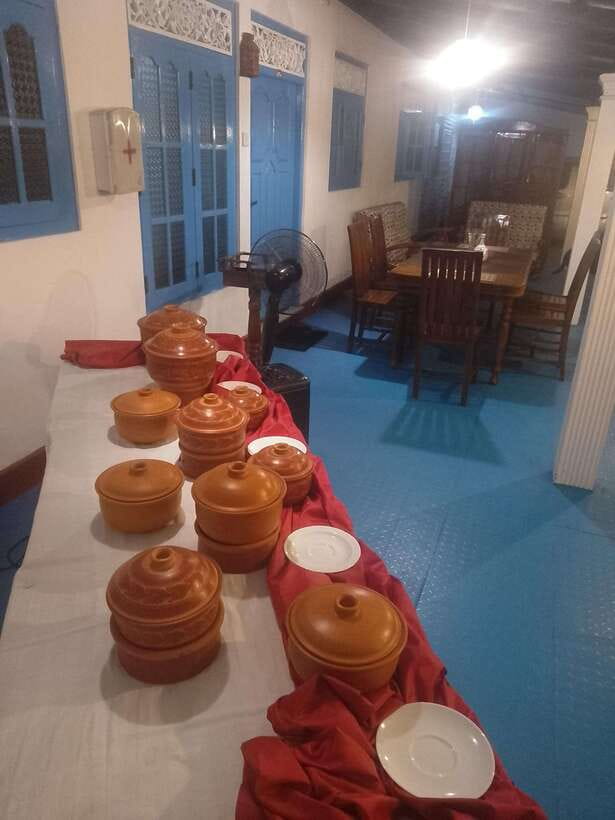
Sri Lankan cuisine can be very spicy, and one participant experienced the less spicy version as still too hot to eat comfortably. That doesn’t mean you should skip the class. It does mean you should be explicit.
When you book, tell the provider you want it less spicy. If you have a low tolerance, say so plainly. Ask if they can adjust heat level rather than just reducing it slightly. If possible, mention any specific ingredients you need to avoid, based on your dietary needs.
The trade-off is that spice is central to Sri Lankan flavor culture. You’ll get the best learning if you’re able to taste at least some spice complexity, even if it’s mild. If you truly cannot handle spice at all, you should check what adjustments are feasible before you go.
How the English guide helps (and why it changes the value)
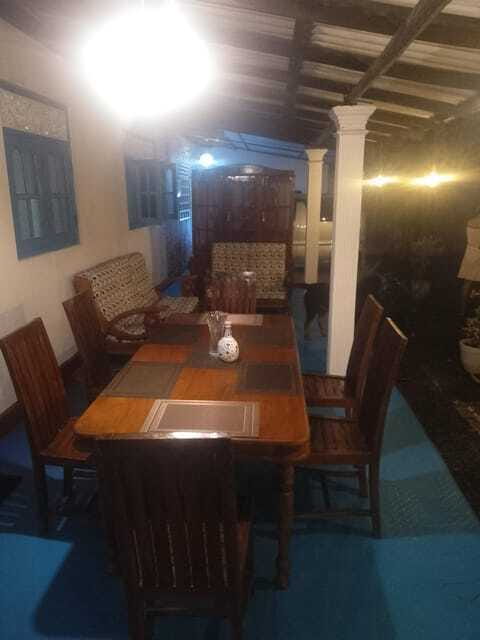
The class includes a professional English-speaking guide, which matters more than it sounds. Cooking instruction is all about details: what to grind, when to add spice, how long to cook, and what texture to aim for. When you can understand the steps in a language you speak comfortably, you can actually repeat them later at home.
Also, the guide can help translate cultural food context into something you can apply. Instead of leaving you with random tips, you leave with a clearer mental map of how Sri Lankan dishes are built.
If you’re traveling with friends who don’t want to spend their day translating, this is a good way to make the session feel smooth and inclusive.
Price and value: is $50 per person worth it?
At $50 per person for a 3-hour, hands-on cooking experience, this can be good value if you look at what’s included. You’re paying for:
- A professional English-speaking guide
- Host instruction while you cook
- Bottled water
- Hotel pickup and drop-off by tuk tuk
- Entrance fees to any sites connected to the experience
- The shared meal you eat after cooking
You’re not just buying food. You’re buying time, technique, and a chance to learn the structure behind Sri Lankan flavors. For many travelers, that knowledge is the real souvenir. If you’ve spent money elsewhere for tastings that don’t teach you anything actionable, a class like this can feel like a smarter use of your day.
One “value limiter” is dietary and heat adjustment. If you need very specific spice levels or strict dietary changes, make sure you can communicate them. Otherwise, you may pay for a learning experience that doesn’t match your comfort zone.
Who this class suits best
This fits best if you:
- Like cooking and want direct instruction
- Want to understand spice culture, not just taste food
- Enjoy meeting local hosts and hearing about daily life
- Want a half-day activity that’s still substantial
It may be less ideal if you:
- Have trouble with physical cooking environments, since the activity notes that it is not suitable for wheelchair users or people with mobility impairments
- Have a very low spice tolerance and are not comfortable requesting adjustments in advance
- Want a fully relaxing, passive experience with no hands-on work
Also, there’s a potential contradiction to acknowledge. The activity info says wheelchair accessible, but it also says it is not suitable for wheelchair users. I’d treat this as a prompt to contact the provider before booking so you can confirm what the cooking setup and movement requirements are like.
Small practical tips to get the most out of your class
Bring or plan for:
- Clothes you can cook in (simple and workable)
- An open mind about spice and seasoning, even if you request less heat
- Any dietary notes you want followed, since at least one host asked about diet and preferences beforehand
If you can, start your day with a normal hunger level. A cooking class often works best when you’re ready to taste what you make. Also, remember the safety request: don’t show up under the influence. It’s not just for you, it’s how the whole session stays smooth.
Should you book this Sri Lanka cooking class?
Book it if you want a real cooking lesson in Sri Lankan flavors, especially if you enjoy spice-focused food and you like learning through action. The best reason to reserve is the combination of hands-on cooking plus a shared meal with your hosts, where you can ask questions and understand the “why” behind the food.
Skip or confirm details first if:
- Heat is a serious issue for you, and you can’t tolerate spice even when reduced
- You have mobility needs, because the activity notes it may not work well for wheelchair users
- You’re looking for a purely sightseeing experience, since the main value here is culinary practice and conversation
If you fall into the first group, this is a strong use of a few hours in Sri Lanka. You’ll leave with dishes you can actually repeat, and with spice knowledge that makes future meals make more sense.
More Tour Reviews in Mirissa
Still browsing Mirissa? Start here
- All Inclusive Mirissa Whale & Dolphin Watching + Snorkeling★ 3.9 · 3 reviews
- Scuba Diving in Mirissa★ 5.0 · 4 reviews
- Mirissa: Whale Watching Cruise★ 3.1 · 5 reviews
- Sri Lanka: Cooking Class★ 4.4 · 6 reviews
- Mirissa: Whale & Dolphin Watching Trip with Private Transfer★ 4.1 · 6 reviews
Sri Lankan Cooking Classes, compared.
 ★ 4.9Ella: Traditional Sri Lankan Cooking ClassFrom $19788 reviews
 ★ 5.0Organic cooking class sigiriya (kumara & family)From $28650 reviews
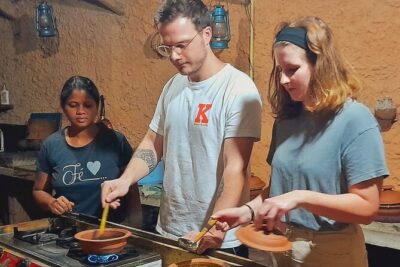 ★ 5.0Kandy Village Cooking ClassFrom $25536 reviews
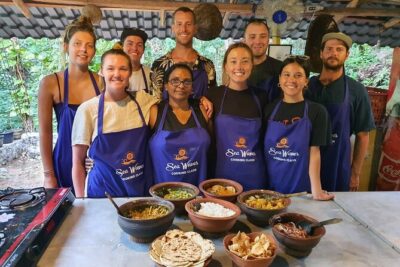 ★ 5.0Sea waves sri lankan cooking classFrom $59467 reviews
 ★ 5.0Ella: Sri Lankan Cooking Class with Neranji at HomestayFrom $19276 reviews
 ★ 5.0Ella : Cooking class with amazing Spice Garden TourFrom $32239 reviews
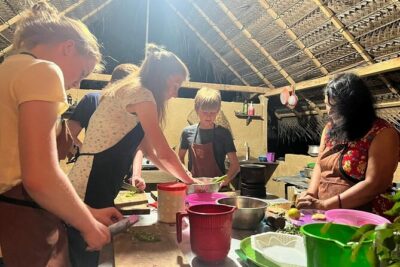 ★ 5.0Sajee’s Place Cooking ClassFrom $35237 reviews
 ★ 5.0Colombo Cooking ClassFrom $60151 reviews
Browse the lists this tour appears in