

REVIEW · WORKSHOPS
Malee Cookery Lessons
Curry class in a real village kitchen. In Sigiriya, Malee Cookery Lessons turns a simple cooking demo into hands-on Sri Lankan cooking, where you learn how to make eight different curries and sides in an old, traditional way. I like that the class stays practical, not performative, so you can picture what to do at home.
The second thing I love is the warm, family-style setup, where you work in an authentic village kitchen and everyone chips in. One thing to consider: you will eat what you cook, and the portions can be very filling, so plan your appetite accordingly.
In This Review
- Key Things That Make This Cooking Lesson Worth Your Afternoon
- A Village Kitchen Cooking Lesson in Sigiriya
- What You Actually Cook: 8 Curries, Sambal, and a Seafood Dish
- Traditional Tools, Practical Technique, and Why It Matters
- The Lesson Flow: From Prep Work to Eating the Results
- The Family Atmosphere and Fresh Ingredients That Change Everything
- Timing, Pickup, and Planning Your Afternoon in Sigiriya
- Price and Value: Why $30 Can Be a Better Deal Than a Restaurant Meal
- Who Should Book This Cooking Lesson, and Who Might Skip It
- What to Bring and What to Expect When You Arrive
- Should You Book Malee Cookery Lessons in Sigiriya?
- FAQ
- What time does the Malee Cookery Lesson start?
- How long is the cooking lesson in Sigiriya?
- Is pickup available for this experience?
- Is this a private tour or shared with other groups?
- Will I receive a ticket for the tour?
- How many dishes will I cook during the lesson?
- Do they use traditional cooking tools?
- What is the cancellation policy for a full refund?
Key Things That Make This Cooking Lesson Worth Your Afternoon
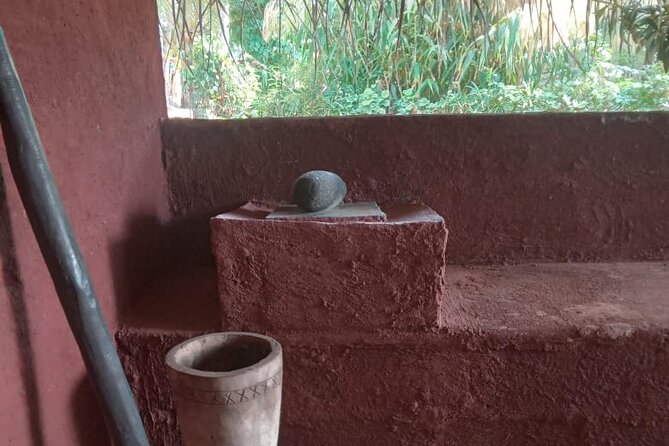
- Eight dishes to cook, including a seafood curry
- Traditional tools plus a few modern helps, so it stays real but doable
- A relaxed village-home kitchen experience, hosted by Malee and her family
- Sambal focus, with examples like banana flower sambal mentioned in sessions
- Fresh, garden-based ingredients, including produce grown by Malee
- Private group class, so it feels personal and you can ask questions
Other hands-on sessions in Sigiriya
- Organic cooking class sigiriya (kumara & family)
★ 5.0 · 650 reviews - Sajee’s Place Cooking Class
★ 5.0 · 237 reviews - Cooking Class: Sajee’s Place Cooking Class sigiriya
★ 5.0 · 117 reviews - Organic Cooking Class sigiriya home Kitchen(Kumara & family)
★ 5.0 · 116 reviews
A Village Kitchen Cooking Lesson in Sigiriya
This is the kind of activity that feels like you are invited into someone’s day, not herded through a studio. You start in Sigiriya and spend about 3 hours learning Sri Lankan curries inside an authentic village kitchen hosted by a local family.
The heart of the experience is the shift from watching to doing. You get tasks, you get guidance, and you get to see how different curries build flavor step by step. Malee and family lead the lesson with a friendly, easy pace, which matters if you are nervous about cooking in a different cuisine.
You also get an important context point: Sri Lankan cuisine is not one flavor. You can learn how tastes differ across island regions, including the low country, hill country, and northern regions, as the dishes and sides come together. That helps you understand what you are making, not just copy a recipe.
What You Actually Cook: 8 Curries, Sambal, and a Seafood Dish
The big headline is the menu size. The class centers on cooking eight different dishes, including one seafood dish. You should think of the lesson as a full meal experience, not a small sampling course.
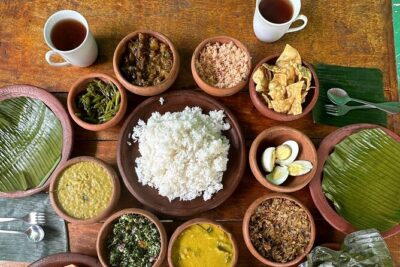
You may cook items like chicken curry, dal (lentil) dishes, and multiple vegetable curries. You also build your plates with sambals, which are a big part of Sri Lankan meals. In some sessions, sambal includes things like banana flower sambal, which is a great example of how local ingredients and flavor combinations go beyond what most visitors expect.
A key point for your brain at home: curries here are not just “spicy stew.” You learn how spices, aromatics, and accompaniments interact. As you rotate through dishes, you start to see patterns. That makes it easier to cook again later, because you understand the logic, not just the steps.
Also, the seafood curry is a useful teachable piece. It shows how a Sri Lankan curry profile adapts when the main ingredient changes. If you like trying different proteins at home, this is the section that helps you broaden your cooking range.
Traditional Tools, Practical Technique, and Why It Matters
One of the nicest parts is the mix of old and new methods. You cook using primitive tools as well as a few modern tools. That balance is smart. It keeps the lesson grounded in tradition while still making the process realistic for visitors.
Here is why that matters for you: when cooking classes use only fancy gadgets, the recipes feel hard to repeat. When they use only ancient methods, it can feel like a museum reenactment. This approach gives you the best of both worlds. You get to experience the traditional feel, and you also leave with methods that match what you can do in your kitchen.
From the reviews, the lesson structure is straightforward and easy to follow, even if you do not cook much at home. You get guidance during preparation and cooking, and you are not stuck hoping the dish turns out. That is the difference between a fun food moment and a lesson you can actually use again.


The Lesson Flow: From Prep Work to Eating the Results
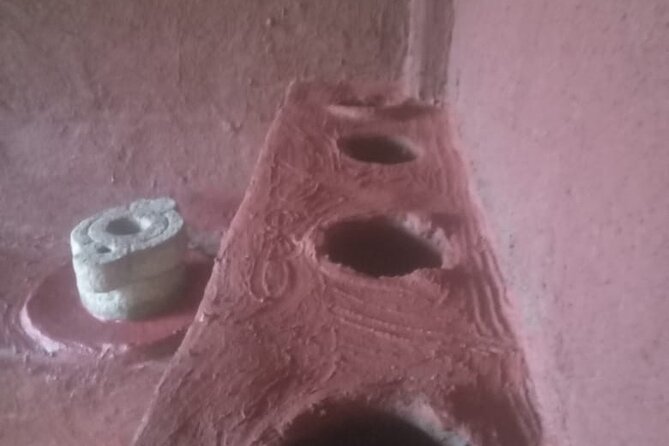
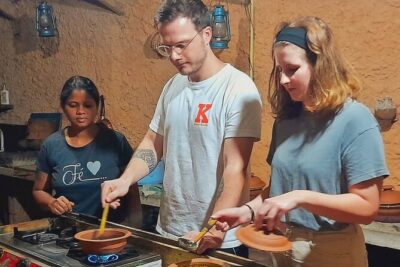
The class is designed so you are involved during the work, not parked on a chair. In the kitchen, you participate in prep and cooking, and the family members help out as needed. In at least some sessions, Malee’s daughter assists with preparations, so you get that steady, supportive rhythm of a family team working together.
You can expect the experience to move like this:
First, you settle into the home kitchen and get a sense of the ingredients and tools. Then you start cooking through multiple curries and side dishes. Between dishes, you learn how different components fit together on a plate.
Finally, you eat. And this is not a tiny tasting. The meal can be abundant, with some people saying they could not finish it all. So if you are the type who likes to snack through the day, I would shift your plan. Either eat light before the class or skip your full lunch. The payoff is huge.
This setup also helps you learn faster. When you taste the food at the end of the process, the flavors make sense. You remember what you did during prep because you can connect it to the final result.
The Family Atmosphere and Fresh Ingredients That Change Everything
This is not just about cooking. It is about setting. The experience happens in a chilled, relaxed village-home environment, where the focus is on sharing food and explaining what is happening.
Malee’s hospitality comes through clearly. People describe her as kind and the whole setup as friendly, with everyone helping. That matters because curry cooking can involve strong smells, hot spices, and hands-on tasks. When the host sets a warm, calm tone, you feel comfortable asking questions and trying again if you make a small mistake.
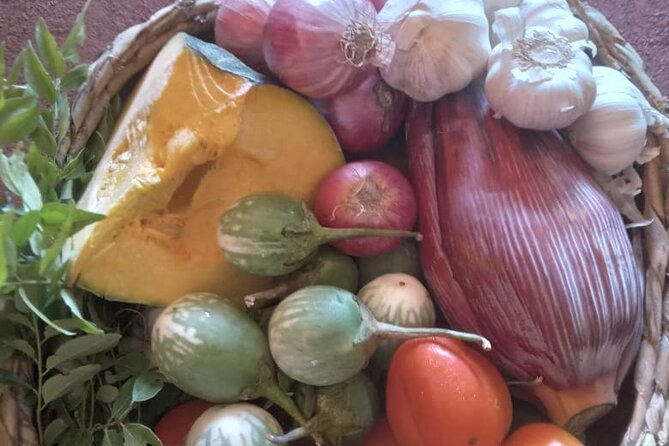
There is another detail that quietly makes the food taste better: ingredient freshness. Reviews mention that ingredients can come from Malee’s garden, which means you are not working with sad, pre-packaged produce. Fresh ingredients help your curries taste bright instead of flat.
Even if you are not a spice superfan, this freshness and the careful balance of flavors can win you over. The sambals and sides tend to carry a lot of personality, and when the produce tastes alive, those flavors feel more vivid.
Timing, Pickup, and Planning Your Afternoon in Sigiriya
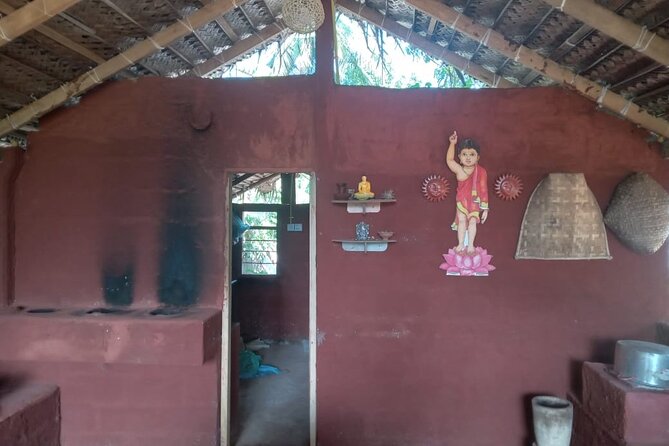
This class starts at 1:00 pm and runs about 3 hours. That timing is handy because Sigiriya afternoons often work well for short, centered activities, especially if you are pairing it with other day plans like sightseeing.
You can get pickup offered, and the experience is near public transportation. So even if you do not have a car, you should be able to reach it. Since it is a private tour/activity, your group will be the only group participating, which helps the pacing feel relaxed instead of rushed.
One planning note is really worth your attention: appetite control. Reviews specifically mention not eating beforehand because the meal is large and you will want to enjoy everything you make. If you show up already full, you might miss the best part, which is eating the curries and sides while the flavors feel fresh.
Price and Value: Why $30 Can Be a Better Deal Than a Restaurant Meal
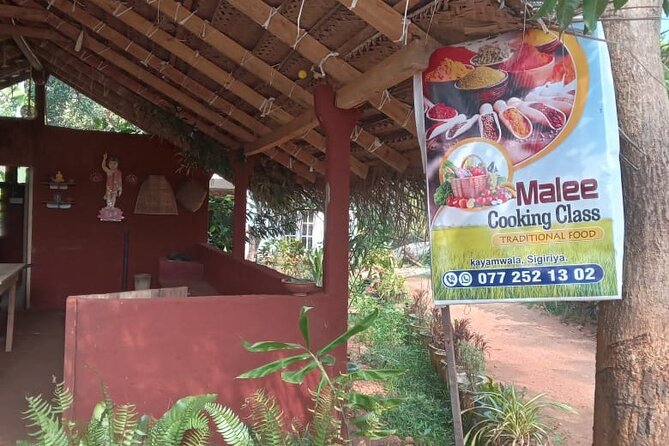
At $30 per person for about 3 hours, this class can feel like good value, especially if you compare it to a restaurant lunch where you pay for food but do not learn how to recreate it.
You get several things that raise the value:
- You learn 8 dishes, including curries, vegetable plates, sambals, and a seafood option.
- You cook with traditional tools and practical technique you can copy later.
- You end up eating a full meal you made, with portions that can be hard to finish.
Also, the private setup means you are not fighting for attention in a large group. That is a big deal in cooking classes, because small questions matter, like how to balance spice with other flavors or when a curry is ready.
If you enjoy food as an experience, not just a background detail, this price is easier to justify. You leave with both a meal memory and a cooking skill you can use at home.
Who Should Book This Cooking Lesson, and Who Might Skip It
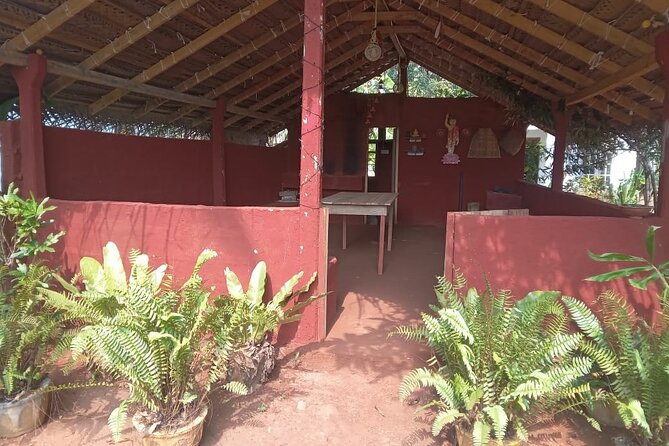
This suits you best if:
- You love food and want a hands-on class, not a watch-and-leave show.
- You want to learn Sri Lankan flavors like curries and sambals, with examples that go beyond the usual basics.
- You like learning from locals in an actual home setting, where you can ask questions and move at a calm pace.
- You want a private experience for your group, with a family-hosted atmosphere.
You might think twice if:
- You prefer to observe rather than participate. This is described as hands-on, and people talk about doing prep and cooking.
- You have a very tight schedule and cannot adjust your meal timing, because you should plan your appetite for the portion size.
What to Bring and What to Expect When You Arrive
The details you should plan for are simple. Wear comfortable clothes you can move in, since you will be helping in the kitchen. Bring a positive attitude and expect to smell spices. That is part of the deal.
Expect the lesson to feel friendly and collaborative. People describe a warm family atmosphere where everyone is engaged, so you should not feel like you are intruding. This feels more like learning from a cook you trust than being processed through a tourist program.
When you arrive, focus on the process. Ask what you do not understand. Pay attention to how different dishes are connected by shared spice styles and how the sambal changes a plate’s overall personality. If you do that, the class will stick with you long after the last bite.
Should You Book Malee Cookery Lessons in Sigiriya?
Yes, I think you should book it if you want a real taste of Sri Lankan home cooking with genuine instruction. The strongest reasons to choose this class are the hands-on format, the family-hosted atmosphere, and the sheer amount of food and dishes involved, including sambal and a seafood curry.
If your goal is a quick souvenir photo stop, you may find this too active. But if you want a practical, enjoyable cooking experience you can repeat at home, this one has a lot going for it. For many people, it becomes the best meal they have in Sri Lanka, not just the best class.
FAQ
What time does the Malee Cookery Lesson start?
The start time is 1:00 pm.
How long is the cooking lesson in Sigiriya?
It lasts about 3 hours.
Is pickup available for this experience?
Yes, pickup is offered.
Is this a private tour or shared with other groups?
It is private, so only your group participates.
Will I receive a ticket for the tour?
Yes, you receive a mobile ticket.
How many dishes will I cook during the lesson?
The lesson includes cooking 8 dishes, and it includes one seafood dish.
Do they use traditional cooking tools?
You cook using primitive tools as well as a few modern tools.
What is the cancellation policy for a full refund?
Free cancellation is available, and you can cancel up to 24 hours in advance for a full refund. If you cancel less than 24 hours before the start time, the amount paid is not refunded.
Hands-On in Sigiriya
More Tour Reviews in Sigiriya
Still browsing Sigiriya? Start here
- Sigiriya Cycle Tour: Explore Village Life in Sigiriya & Enjoy a Village Lunch★ 5.0 · 3 reviews
- Guided Hike & Picnic with an Amazing View on Pidurangala Rock★ 5.0 · 4 reviews
- Private Jeep Safari at Minneriya National Park★ 5.0 · 4 reviews
- From Sigiriya:Polonnaruwa Day Tour with Farmers lunch★ 5.0 · 4 reviews
- Kandy: City Highlights and Ramboda Waterfall Trip★ 5.0 · 4 reviews
Workshops, compared.
 ★ 4.9Ella: Traditional Sri Lankan Cooking ClassFrom $19788 reviews
 ★ 5.0Organic cooking class sigiriya (kumara & family)From $28650 reviews
 ★ 4.9Galle: Traditional Gems & Jewellery Workshop with TransfersFrom $13539 reviews
 ★ 5.0Kandy Village Cooking ClassFrom $25536 reviews
 ★ 5.0Sea waves sri lankan cooking classFrom $59467 reviews
 ★ 5.0Ella: Sri Lankan Cooking Class with Neranji at HomestayFrom $19276 reviews
 ★ 5.0Ella : Cooking class with amazing Spice Garden TourFrom $32239 reviews
 ★ 5.0Sajee’s Place Cooking ClassFrom $35237 reviews
Browse the lists this tour appears in